Category: Uncategorized

  • The Seller’s Edge: How to Get Top Dollar for Your Columbia Home This Summer

    The Seller’s Edge: How to Get Top Dollar for Your Columbia Home This Summer

    Listen, if you’ve spent any time in Columbia, Maryland during the month of July, you know two things are absolutely certain: the humidity is going to make your hair do things you didn’t think were physically possible, and the real estate market is going to be absolutely cooking.

    We aren't just talking about a "warm" market. We are talking Merriweather-Post-Pavilion-on-a-Saturday-night kind of hot. But here’s the kicker: just because the market is hot doesn’t mean you can just stick a "For Sale" sign in your front yard in Wilde Lake and wait for a suitcase full of cash to drop out of the sky.

    In 2026, buyers are savvier, interest rates have found their "new normal," and the competition is fierce. To get top dollar: and I mean that "tell all your friends at the swim club" kind of price: you need a strategy. You need what we call the Triple Threat Seller Approach.

    The Columbia 2026 Summer Outlook

    Before we dive into the tactics, let’s look at the landscape. Columbia remains one of the most desirable places to live in Maryland. Between the trail systems, the downtown revitalization, and the fact that we’re perfectly nestled between D.C. and Baltimore, people want to be here.

    Right now, the median listing price in Columbia is $495,000, homes are spending an average of 24 days on market, and the median rent in the area is $2,400. That tells us this is still a strong market, but not one where sellers can afford to wing it. Buyers have options, and investors are paying attention to rental math more than hype.

    In Summer 2026, we’re seeing a specific trend: The Quality Migration. Buyers aren't just looking for four walls and a roof; they are looking for "turn-key" luxury and "investor-grade" maintenance. They want to know that the home they are buying isn't going to be a money pit the second they move in.

    If you want to capitalize on this, you have to be more than a seller. You have to be a strategist.

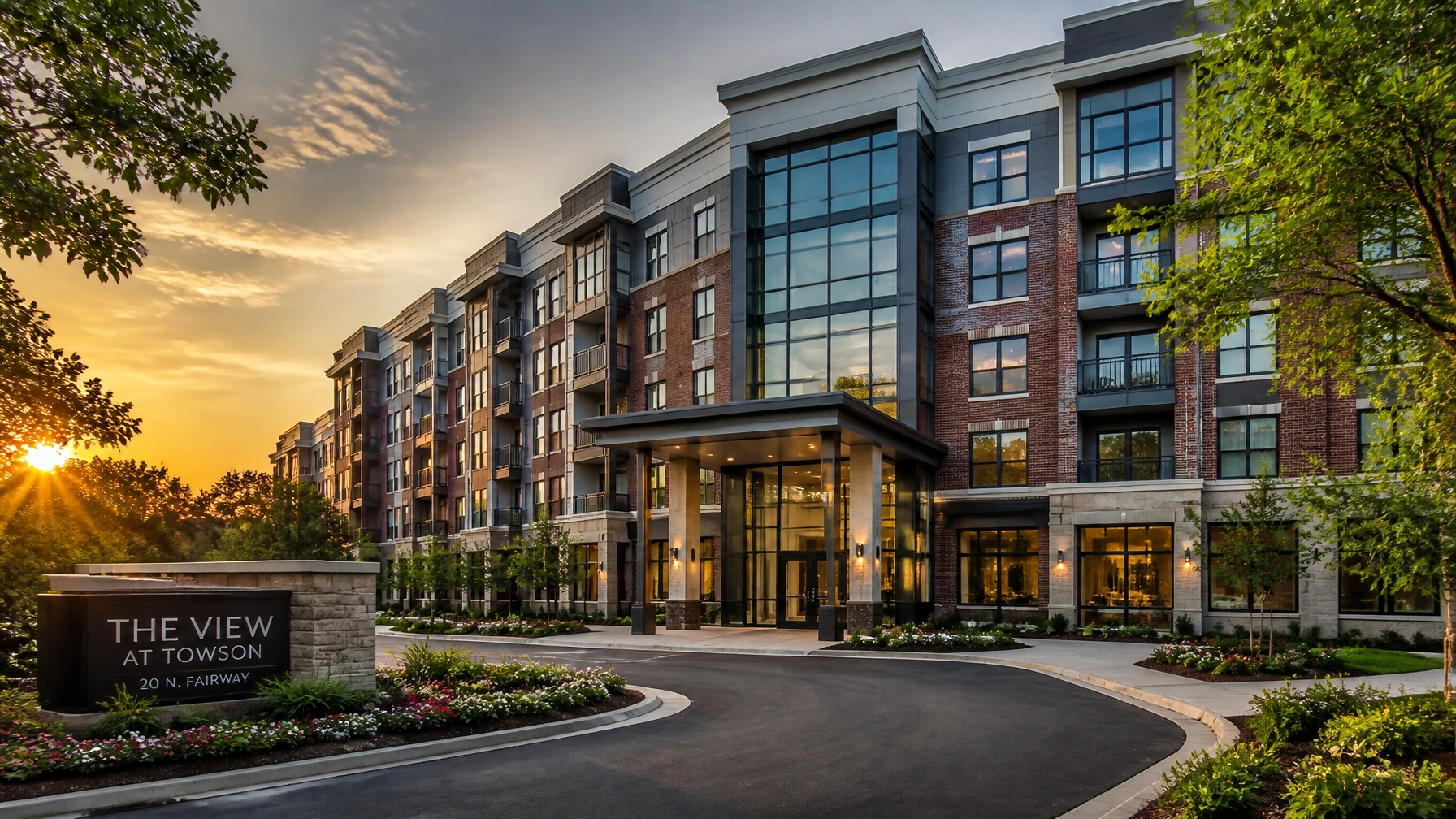
    Modern luxury home in Columbia, Maryland with professional landscaping and high curb appeal during summer.

    Threat #1: The Science of Strategic Pricing

    Pricing your home is like seasoning a Maryland blue crab: too little and it’s bland; too much and you ruin the whole experience. In Columbia, we have a diverse range of "Villages." What works in Harper’s Choice might not fly in River Hill.

    To get top dollar, you have to price your home for today’s market dynamics, not last season’s headlines. With a $495,000 median listing price and homes averaging 24 days on market, the goal is to create urgency early before your listing starts feeling stale.

    1. Forget the "Zestimate": Seriously, put down the phone. AI is great for writing poems, but it doesn't know that you just installed custom quartz countertops or that your neighbor’s yard looks like a scene from a post-apocalyptic movie.
    2. The 24-Day Reality Check: In the current Columbia market, 24 days is the average. If you're blowing past that without strong activity, your pricing or presentation likely needs work. The "Stale Listing" stigma is real.
    3. Psychological Pricing: We’re seeing massive success in Columbia by pricing just under the major search brackets. In a market where the median listing price is $495,000, positioning cleanly below major thresholds can dramatically widen your buyer pool and create the competition that pushes offers higher.

    Threat #2: High-Impact Presentation (The "Vibe" Factor)

    Summer buyers in Maryland are looking for an escape. They want to imagine themselves sipping a cold drink on a deck, not worrying about the fact that your baseboards haven't been cleaned since the Ravens won the Super Bowl.

    The Summer Curb Appeal Checklist

    You have about 4.5 seconds to impress a buyer as they pull up to your curb in Oakland Mills or Kings Contrivance.

    • Power Wash Everything: The Maryland pollen is no joke. Wash the siding, the driveway, and the front porch.
    • The "Pop" of Color: A fresh coat of paint on the front door (think navy blue or a classic deep red) and some yellow pansies go a long way.
    • The Green Grass Theory: In the heat of July, a brown lawn says "I don't take care of things." Keep it watered and edged.

    Staging for the 2026 Buyer

    We are moving away from the "all-grey everything" trend. Buyers today want warmth. They want to see a dedicated home office (because hybrid work is here to stay) and they want to see a kitchen that looks like it belongs on a cooking show.

    Staged modern kitchen and living area in a Columbia MD home showing luxury turn-key interior design.

    Threat #3: The Investor-Ready Edge (The Lamont Secret Sauce)

    This is where most sellers leave money on the table. If you want to attract the highest-paying buyers: including high-end investors looking for premium rentals or 1031 exchange opportunities: you need to present your home as a "Ready-to-Go" asset.

    And with Columbia median rent sitting at $2,400, that investor conversation gets even more real. The "Triple Threat" strategy works best when your pricing is sharp, your presentation is clean, and your property is packaged in a way that helps buyers quickly see the rental and long-term value. In this market, sellers who make that math easy for buyers have the edge.

    This is where my Paid Funding Preparation Service comes into play. Even as a seller, having a professional "Investor Ready" package for your property can drastically increase your leverage.

    When you list with us via the Real Brokerage, we don't just put up photos. We provide:

    • Professional Deal Analysis: Showing the true value and equity potential.
    • ARV (After Repair Value) Comps: Proving to buyers exactly what the home is worth in its peak state.
    • Rehab Budgets: If your home needs a little love, we provide a line-item budget for the repairs. This removes the "fear of the unknown" for the buyer.
    • Loan Submission Packages: We connect potential buyers with our lending partners who already know the property’s value.

    By removing the friction for the buyer, you make it easier for them to say "YES" to a higher price. You aren't just selling a house; you’re selling a seamless financial transition.

    Why Summer 2026 is Different

    We’ve seen a shift in Maryland real estate. Buyers are looking for stability. With the volatility in other investment sectors, real estate in Howard County is viewed as a "safe haven."

    However, "safe" doesn't mean "boring." Buyers are looking for tech-integrated homes, energy efficiency (to beat those BGE summer bills), and outdoor living spaces that feel like a vacation. If you can highlight these features while backed by a professional Real Brokerage team, you are going to win.

    Pique Meme

    Avoiding the "Summer Slump"

    A common mistake Columbia sellers make is waiting too long. They think, "I'll wait until the kids are out of school." Guess what? Everyone else is thinking that too. The inventory spike in late June can actually hurt your negotiating power.

    Listing in May or early June allows you to catch the "Early Birds": the families who are desperate to be moved in and settled before the school year starts in August. These buyers are often the most motivated and willing to pay a premium to secure a home in a specific school district.

    Your Next Move

    Selling your home shouldn't feel like a second job. It should feel like a victory lap.

    If you’re ready to get "Triple Threat" results for your Columbia property, you need a team that knows the Maryland streets as well as they know the balance sheets. Whether you’re looking for a top-tier listing agent or you’re an investor looking for your next flip in Long Reach, we have the tools to make it happen.

    Don't leave your equity to chance.

    Check out our current listings and property resources at Millis Property or see how I’m shaking up the market at OneReal.

    Ready to get top dollar for your Columbia home? Send me the property address or basic details and I'll let you know what information would be needed for the next step.


    Tweet Draft for Sonny:
    "The Columbia, MD summer market is heating up! ☀️ Don't settle for average offers. Learn how the 'Triple Threat' strategy and Investor-Ready packages are helping MD sellers nab top dollar in 2026. 🏠💰 Read more: [Link] #ColumbiaMD #MarylandRealEstate #SellMyHome"

  • The Hidden Risks of REITs vs. Direct Property Ownership in 2026

    As we move through the second quarter of 2026, the real estate landscape feels fundamentally different than it did even two years ago. We’ve entered an era where interest rates have finally plateaued: albeit at levels much higher than the "free money" era of the early 2020s: and rent inflation is stubbornly holding steady at 3% to 4% in Class A multifamily markets.

    For many investors, the central question remains: Do I take the easy route with a Real Estate Investment Trust (REIT), or do I roll up my sleeves and own the physical dirt?

    While REITs are often marketed as the "stress-free" way to build wealth, 2026 has exposed some cracks in that narrative. Conversely, direct property ownership is showing its strength: but only for those who know how to navigate the local minefields. Let’s dive into the hidden risks of both and see where the smart money is moving this year.

    The REIT Reality Check: Liquidity or Volatility?

    In theory, REITs are the ultimate passive investment. You buy shares on an exchange, collect dividends, and let professional managers handle the toilets and tenants. But in 2026, that "passive" nature comes with a hidden price tag: Market Correlation Risk.

    1. The Interest Rate Sensitivity Trap

    Because REITs rely heavily on external capital to grow, they are incredibly sensitive to Federal Reserve policy. Even though rates have stabilized, the cost of debt for large-scale portfolios remains elevated. In 2026, we’ve seen many REITs struggle to maintain their dividend payouts as they prioritize deleveraging and debt-laddering over investor distributions.

    2. The "No Control" Factor

    When you invest in a REIT, you are tethered to the management team’s decisions. If they decide to double down on office space in a struggling urban core, your capital goes right down with them. As we’ve seen in recent years, the divergence between sectors is massive. While data centers and industrial properties are booming, certain retail and secondary-market office sectors are facing permanent vacancy challenges. In a REIT, you can’t "opt-out" of the bad assets in the portfolio.

    A sleek, modern office building with a 'For Lease' sign in the window, reflecting the current 2026 challenges in the commercial office sector. The sky is slightly overcast, symbolizing the uncertainty in sector-specific REITs.

    Direct Ownership: The "Control" Mirage and Real Risks

    If REITs are too volatile, is direct ownership the "safe" alternative? Not necessarily. Direct property ownership offers the ultimate control, but it also places 100% of the operational risk on your shoulders.

    1. The Local Regulatory Minefield

    In 2026, we are seeing a massive shift in local regulations. From new rent control measures in major metros to aggressive "green energy" compliance standards for older buildings, the cost of being a landlord is rising. Unlike a REIT, which spreads these costs across thousands of units, a single property owner in a strict jurisdiction like Baltimore or DC can see their entire year’s profit wiped out by one new ordinance or a property tax reassessment.

    2. The Illiquidity Lockdown

    Direct property is famously illiquid. With Zillow projecting a modest 0.9% decline in home values across many markets through early 2026, the days of "flipping for a quick buck" are largely over. This is a cash-flow market. If you need to exit a property quickly to cover a personal emergency, you might find yourself forced to offer significant price concessions or wait months for a qualified buyer.

    Why 2026 is the Year of the "Local Specialist"

    While the national housing market looks flat on paper, specific pockets are thriving. In Maryland, areas like Crownsville and Millersville are seeing robust demand due to their mix of suburban stability and proximity to job hubs.

    The risk in direct ownership isn't the property itself; it’s the execution.

    In 2026, you cannot afford to guess on your numbers. The margin for error is too thin with current financing costs. This is why many successful investors are moving away from "DIY" investing and toward professionalized "Investor Ready" strategies.

    A professional real estate investor in a home office, looking at a dual-monitor setup with detailed property spreadsheets, neighborhood maps of Maryland, and a 'Real Brokerage' logo visible on a notepad. The room is filled with warm, natural light.

    Mitigating Risk: The "Investor Ready" Approach

    The hidden risk of direct ownership is often just bad preparation. To beat the 2026 market, you need to treat every acquisition like a corporate merger.

    This is where my Funding Preparation Service comes in. Whether you’re looking at a single-family rental in Towson or a multifamily project in Baltimore, you shouldn't go in with just a "gut feeling." We provide a full suite of professional tools to ensure your direct ownership experience is as low-risk as possible:

    • Detailed Deal Analysis: We don't just look at the price; we look at the 2026 cash-flow reality.
    • ARV Comps & Rehab Budgets: Real-time data on what properties are actually worth post-renovation and what those renovations actually cost in today’s labor market.
    • Loan Submission Packages: Professional-grade packages for our lending partners at Real Brokerage, ensuring you get the most competitive rates available in the current environment.

    By combining the control of direct ownership with the professional analysis of a REIT-level management team, you get the best of both worlds.

    The Verdict: Which Path Should You Choose?

    If you are looking for total passivity and can stomach the 10-15% swings of the stock market, REITs are still a viable tool for your portfolio: just be wary of sector concentration in office and retail.

    However, if you want to build true legacy wealth with the tax benefits of depreciation and the stability of a physical asset, Direct Ownership is the clear winner for 2026. The "hidden risks" of being a landlord are easily managed when you have the right team and the right data.

    Don’t gamble with your capital in a shifting market. Whether you're looking for your next investment property or need a professional analysis of a potential deal, I’m here to help you navigate the Maryland market with precision.

    A high-quality, professional folder labeled 'Investor-Ready Package' lying on a granite countertop next to a set of architectural blueprints and a calculator. A pair of reading glasses sits nearby, suggesting meticulous attention to detail.

    Ready to take the next step in your real estate journey?

    Explore my current Maryland listings and let’s get your next deal "Investor Ready."

    👉 Browse Maryland Listings with Lamont Milbourne
    👉 Learn about Millis Property & Funding Prep Services

    Tweet for Sonny:
    "REITs vs. Direct Property: Who wins in 2026? 🏠📊 The 'hidden' risks of the stock market might surprise you. Check out our latest breakdown on how to stay 'Investor Ready' in the current Maryland market. [Link to Blog] #RealEstate2026 #MarylandInvesting #PassiveIncome"


  • Bill Reduction 101: How Our Concierge Service Saves You Thousands Without Switching Providers

    Bill Reduction 101: How Our Concierge Service Saves You Thousands Without Switching Providers

    Let’s be honest: when was the last time you actually looked at the "taxes and fees" section of your cable or cell phone bill? If you’re like most people, you probably just glance at the total, wince a little, and hit "pay."

    We call this the "Loyalty Tax." It’s that sneaky price hike that happens every year simply because you’ve stayed with the same provider for a long time. Companies bank on the fact that you’re too busy, too tired, or too frustrated to call them and argue for a better rate.

    At MAKE WEALTH REAL (MWR), we believe your money belongs in your pocket, not in the coffers of giant utility corporations. That’s why we created the BillShredder service, a professional concierge that does the heavy lifting for you. We don’t just tell you how to save; we actually do the negotiating on your behalf.

    Here is everything you need to know about how our Bill Reduction Concierge works and how it’s helping our members reclaim thousands of dollars without changing their lifestyle.


    What Exactly is the Bill Reduction Concierge?

    BillShredder is a key pillar of our Lifestyle & Legacy Membership. It isn’t just a piece of software or a "tips and tricks" guide. It is a professional service staffed by expert negotiators whose entire job is to call your service providers and lower your monthly rates.

    Most people don't realize that providers like Verizon, Comcast, ADT, and AT&T have secret "retention rates", prices they only offer to people who are about to cancel. Our negotiators know exactly what to say, who to talk to, and which codes to use to unlock those savings for you.

    A 3D illustration of scissors shredding bills, with money fluttering out.


    How It Works: The 3-Step "Shred" Process

    We know you’re busy building a legacy, so we’ve made this process as hands-off as possible. You don't have to spend hours on hold listening to elevator music. Here is the MWR way:

    1. Upload Your Bills

    Log into your MWR portal and upload a digital copy or a clear photo of your current monthly bills. We look at everything: cell phone, internet, cable/satellite TV, home security, and even some pest control or satellite radio subscriptions.

    2. We Negotiate

    This is where the magic happens. Our team of professional negotiators contacts your providers. We advocate for you, seeking out better promotions, removing unnecessary fees, and applying every available discount, all while keeping your current level of service intact.

    3. You Save

    Once the negotiation is complete, we notify you of the savings. You’ll see the reduction directly on your next statement. Best of all? You don't have to switch providers. You keep the same phone, the same internet speed, and the same channels, you just pay less for them.


    Why You Shouldn't "Do It Yourself"

    You might be thinking, "Can't I just call them myself?" Sure, you could. But here is why our members prefer the concierge approach:

    • Expert Knowledge: Our negotiators handle thousands of these calls. They know when a company is bluffing and when a "special offer" is actually a bad deal in disguise.
    • Time is Money: The average negotiation can take 45 to 90 minutes of "on-hold" time and transfers. We take that burden off your plate so you can focus on your business and family.
    • The Power of Volume: Because we represent a massive network of MWR members, we have the leverage that an individual consumer often lacks.
    • Persistence: If a provider says "no" the first time, our team knows when to call back or escalate to a supervisor to get the "yes" you deserve.

    A professional MWR negotiator working at a modern desk, handling calls for members.


    Real Results: What Can You Actually Save?

    According to MWR’s data, we saved our members over $1.2 million on their existing bills in just the first year of the BillShredder program.

    While every situation is different, it isn't uncommon for a single family to save $50 to $150 per month across all their services. Let’s do the math: a $100 monthly saving is $1,200 a year. Over 10 years, that’s $12,000 (plus interest if you invest it!) that stayed in your family legacy instead of going to a corporate CEO’s bonus.

    Common bills we successfully "shred" include:

    • Mobile Phone: Often the biggest source of savings.
    • Internet/Data: Negotiating away equipment fees and speed-tier overcharges.
    • Cable/Satellite TV: Finding hidden bundles and promotional rates.
    • Home Security: Lowering monthly monitoring fees.

    No Switching, No Stress

    The #1 question we get is: "Do I have to switch to a different company?"

    The answer is a firm NO.

    The Bill Reduction Concierge is designed to lower your costs with your current providers. We understand that you like your current coverage or your specific TV package. Our goal isn't to disrupt your life; it’s to make your life more affordable. If a lower-cost competitor does exist, we may bring it to your attention as an option, but we never make a switch without your explicit permission.


    Part of a Bigger Financial Transformation

    At MAKE WEALTH REAL, we don't just look at your bills in a vacuum. BillShredder is just one piece of the puzzle. When you join our membership for just $79/month, you aren't just getting a bill negotiator. You’re getting a full Financial Makeover, including:

    • Tax Reduction: Strategies to help you keep more of your hard-earned paycheck.
    • Debt Elimination: A customized plan to get you to $0 debt in record time.
    • Credit Restoration: Expert help to boost your score and lower your borrowing costs.
    • Business Funding: Access to our $50,000 unsecured business funding guarantee.

    By lowering your bills, we free up the cash flow you need to fuel these other wealth-building strategies. It’s all about creating a "Financial Edge" that allows you to live the life you want today while building the legacy you want for tomorrow.

    A happy family smiling together, experiencing the peace of mind that comes with financial freedom.

    Stop Overpaying Today

    You work too hard for your money to let it leak out of your bank account through unnecessary bill inflation. It’s time to stop paying the "Loyalty Tax" and start paying yourself.

    Are you ready to see how much we can save you?

    Join the MWR membership today and let our BillShredder experts go to work for you. Start your Financial Transformation and see why thousands of families trust MAKE WEALTH REAL to handle the heavy lifting of wealth management.

    Click here to join MWR Financial and start your Bill Reduction now!

    For more information on our full suite of services, visit our official site at www.mwrfinancial.com.


    Tweet for Sonny

    "Stop paying the 'Loyalty Tax'! 🛑 Our BillShredder concierge has saved members over $1.2M without switching providers. Let our pros negotiate your cable, cell, and internet bills for you. 💸 Check out the full breakdown on the blog: [Link] #MWRFinancial #FinancialFreedom #SaveMoney"


  • Understanding Zoning Changes: How to Spot the Next Big Real Estate Opportunity in MD

    Understanding Zoning Changes: How to Spot the Next Big Real Estate Opportunity in MD

    If you’ve been keeping an eye on the Maryland real estate market lately, you know that the "buy and hold" or "fix and flip" game is changing. The days of simply looking for the ugliest house in the best neighborhood are being replaced by something much more strategic: Zoning Play.

    In 2026, the most successful investors aren't just looking at the property as it stands today; they are looking at what the law allows it to become tomorrow. Between the massive statewide push for Accessory Dwelling Units (ADUs) and the aggressive upzoning of transit corridors in Montgomery and Howard Counties, Maryland is currently a goldmine for those who know how to read between the legal lines.

    In this guide, we’re breaking down the technical shifts in MD zoning and showing you exactly how to spot your next big density play.

    1. The Statewide ADU Gold Rush (HB 1466)

    The single biggest shift in Maryland real estate over the last two years has been the legalization of Accessory Dwelling Units (ADUs) across the entire state.

    Under HB 1466, which fully takes effect by October 1, 2026, every county and municipality in Maryland is required to allow ADUs "by right" on single-family detached lots. This means local governments can no longer bury your application in "conditional use" hearings or "floating zone" requirements.

    Why This Matters for Your Portfolio:

    • Forced Appreciation: Adding an ADU (often up to 1,200 sq. ft. or 75% of the primary home’s size) can instantly turn a single-family asset into a multi-unit income stream.
    • The "By Right" Advantage: Because these are now "by right," the timeline for approval is slashed. You don't need a politician's blessing; you just need to meet the building code.
    • Yield Play: In high-rent areas like Bethesda, Annapolis, or Columbia, the ROI on a $150k ADU build can far outperform buying a second property with today’s interest rates.

    The Pro Strategy: Look for properties with large, flat backyards and existing side-access. If the primary house is a 3-bedroom, adding a 1 or 2-bedroom ADU creates a "duplex-light" scenario that traditional lenders are increasingly comfortable with.

    Modern architectural rendering of a Maryland transit-oriented development (TOD)

    2. Montgomery County: The Corridor Transformation

    Montgomery County is currently leading the pack in "Transit-Oriented Development" (TOD). If you own land or are looking to buy near major arteries, you need to know about ZTA 25-02 and the University Boulevard Corridor Plan (UBCP).

    Corridor Upzoning (ZTA 25-02)

    Approved in late 2025, this zoning text amendment allows for "workforce housing": including duplexes, triplexes, and small apartment buildings: along major corridors like Wisconsin Avenue and Connecticut Avenue.

    If you find an older single-family home sitting on these corridors, its value is no longer tied to the house; it’s tied to the density. By providing at least 15% workforce housing, you can unlock heights and unit counts that were previously reserved for massive commercial developers.

    University Boulevard Corridor Plan (UBCP)

    The UBCP is even more aggressive. We’re talking about over 200 single-family homes being rezoned to Commercial Residential Neighborhood (CRN). This allows for redevelopment into quadplexes up to 50 feet high.

    If you are an investor looking for a 5-to-10-year exit strategy, buying into the University Blvd corridor now is like buying land in Arlington, VA, twenty years ago. The density is coming, and the "Missing Middle" housing is where the profit sits.

    3. Howard County: Route 1 and Cottage Clusters

    Howard County is taking a slightly different approach, focusing on Adaptive Reuse and Cottage Clusters.

    Route 1 Adaptive Reuse (ZRA-221)

    Do you see those aging motels or small commercial buildings along Route 1? Thanks to ZRA-221, Howard County has paved a clear path to turn those sites into multifamily or mixed-use developments.

    For the mid-sized investor, ZRA-222 is even more interesting. It allows for "Optional Design Projects" on small commercial properties (under 10 acres) fronting Route 1. This flexibility means you can get creative with site layouts that wouldn't have passed a standard zoning check two years ago.

    Cottage Clusters (ZRA-224)

    Howard County is also piloting Cottage Cluster Age-Restricted Adult Housing. This is a massive opportunity for investors targeting the "Silver Tsunami." By building a cluster of smaller, high-end, single-level homes on a single large parcel, you can achieve higher density than traditional single-family zoning while maintaining the neighborhood's aesthetic.

    A modern missing middle duplex in a Maryland neighborhood

    4. How to Spot the Opportunity Before the Market Catches Up

    You don't need a law degree to find these deals, but you do need to be more than a "Zillow Surfer." Here is the 2026 Investor’s Playbook:

    1. Map the Corridor Plans: Don't just look at current zoning. Look at the Proposed Land Use maps in county Master Plans. These are public records that tell you where the county wants density to go.
    2. Audit the "Single-Family" Lots: Use a tool like LandGlide or your local GIS map to find single-family lots within 0.5 miles of a Metro or MARC station. These are your prime ADU and TOD candidates.
    3. Check the Utilities: Density is useless without sewer capacity. Before you pull the trigger on a "quadplex conversion" play, verify that the local water/sewer infrastructure can handle the load.
    4. Follow the Bills: Stay tuned to the Maryland General Assembly sessions. Bills like the "Starter and Silver Homes Act" may have stalled in 2026, but they signal exactly where the legislative winds are blowing.

    5. Get Your Project "Investor Ready"

    The biggest hurdle to capitalizing on these zoning changes isn't finding the deal: it's getting it funded. Traditional banks often struggle to understand the value of a "TOD density play" or an "ADU-backed rental."

    This is where my team at Millis Property and Real Brokerage comes in. We don't just help you find the property; we build the case for the capital.

    Our Investor Ready Package is designed to take the guesswork out of the loan submission process. Whether you're looking to build an ADU in Howard County or a townhouse infill in Montgomery, we provide:

    • Detailed Deal Analysis: We look at the "highest and best use" based on current and upcoming zoning.
    • ARV Comps: We use 2026 market data to show what your property will be worth after the density is unlocked.
    • Rehab & Construction Budgets: Real numbers from local Maryland contractors.
    • Loan Submission Packages: Professional, bank-ready dossiers that we submit through our Real Brokerage lending partners to ensure you get the best terms possible.

    Investor ready loan submission package and workspace

    The Bottom Line

    Zoning is the new frontier of Maryland real estate. If you are still looking at properties through a 2020 lens, you are leaving money on the table. The state is begging for density, and the laws are finally catching up.

    Ready to find your next density play or get your current project funded? Let’s get to work.

    Start Your Next Real Estate Move Today


    Tweet Draft for Sonny:
    "Zoning isn't boring: it's where the money is in 2026! 🏗️ From statewide ADU legalization to Montgomery County corridor upzoning, Maryland is a goldmine for density-focused investors. Learn how to spot the next big opportunity: [Link] #MDRealEstate #RealEstateInvesting #ZoningChanges"

  • Credit Restoration 101: A Beginner’s Guide to Mastering Your Score in a Shifting Economy

    Credit Restoration 101: A Beginner’s Guide to Mastering Your Score in a Shifting Economy

    Let’s be real for a second: the economy in 2026 feels a bit like a rollercoaster. We’ve seen inflation finally start to cool off, but for many of us, the "financial hangover" of the last few years is still lingering. Whether it’s that credit card balance that crept up during the high-interest days or a few late payments that happened when things got tight, your credit score might be feeling the squeeze.

    If you’ve been feeling like your credit score is a wall standing between you and the life you want, you aren't alone. But here’s the good news: the rules of the game have changed, and if you know how to play by the new 2026 standards, you can actually build a score that’s stronger than ever.

    Welcome to Credit Restoration 101. This isn't just about "fixing" a number; it’s about taking back control of your financial legacy.

    The New Reality of 2026: Why Your Old Strategy Won’t Work

    Back in the day, you could just send a couple of dispute letters, hope for a "deletion," and see your score jump. In 2026, things are a bit more sophisticated. Lenders are now using models like FICO 10T and VantageScore 4.0, and they are smarter than they used to be.

    1. The Rise of "Trended Data"

    Lenders aren't just looking at where your score is today. They’re looking at where it’s been over the last 24 months. This is called "trended data." They want to see if you’re paying down your debt or if you’re just moving it around. A one-time "fix" won't impress an AI-driven underwriter if your two-year trend shows rising balances.

    2. AI is Calling the Shots

    Most credit approvals today aren't done by a human sitting behind a desk. They are done by AI algorithms that analyze thousands of data points in seconds. This means your credit profile needs to be clean, consistent, and well-rounded.

    3. Your Bank Account is Part of the Score

    Lenders are increasingly using services like Plaid to look directly at your cash flow. They want to see regular deposits and a lack of overdrafts. In 2026, your "banking behavior" is almost as important as your "borrowing behavior."

    A golden credit card floating over a digital blueprint, symbolizing financial building blocks and the key to future wealth.

    How MWR Financial Does the Heavy Lifting

    At MAKE WEALTH REAL, we know you’re busy. You’ve got a job, maybe a side hustle, a family, and a life to live. You don’t have time to become a certified credit expert or spend hours arguing with credit bureaus on the phone.

    That’s where our Lifestyle & Legacy Membership comes in. We don't just give you a "how-to" guide and wish you luck. We provide a full-service concierge that handles the heavy lifting for you.

    Professional Credit Restoration

    Our experts analyze your reports from all three bureaus, Experian, Equifax, and TransUnion. We identify errors, outdated information, and unfair marks that are dragging you down. Then, we go to work challenging them on your behalf. Since the Fair Credit Reporting Act (FCRA) has tightened its rules in 2026, having professionals who know the law is a massive advantage.

    Debt Elimination (The Finanical Makeover)

    You can’t have great credit if you’re drowning in debt. Our Debt Shredder program helps you eliminate interest and pay off your liabilities in record time, without you having to spend an extra dime. By lowering your credit utilization, your score naturally begins to climb.

    A person wearing an MWR Financial Makeover t-shirt, promoting the MWR @Home Opportunity and financial freedom.

    The 3 Pillars of Credit Mastery in 2026

    If you want to master your score this year, you need to focus on these three things:

    1. Consistency is King

    Because of the FICO 10T model, consistent on-time payments are more valuable than ever. Even if you can only pay the minimum on some cards while you tackle others, never miss a due date. One late payment in 2026 can stay in that "trended data" for two years, weighing you down.

    2. Utilization is the "Fastest" Lever

    Your credit utilization (how much of your limit you're using) accounts for 30% of your score. In a shifting economy, keeping this under 10% is the "gold standard." If you have a $1,000 limit, try not to carry more than $100. If you do, pay it down before the statement date so the lower balance is what gets reported to the bureaus.

    3. Add "New" Positive Data

    In 2026, you can get credit for things that didn't use to count. Your rent, your utility bills, and even your cell phone plan can be added to your credit report. For someone with a "thin" file or someone rebuilding, this is a game-changer. Our experts at MWR Financial help you identify which alternative data sources will give you the biggest boost.

    A motivational graphic asking viewers to rate the importance of keeping more of their paycheck and eliminating debt.

    Why "Wait and See" is a Dangerous Strategy

    A lot of people think, "I'll wait until the economy is better to fix my credit." That’s a mistake. In a "K-shaped" economy like the one we’re seeing in 2026, the gap between the "haves" and "have-nots" is often just a credit score.

    Good credit gives you options. It means lower interest rates on auto loans, lower insurance premiums, and the ability to access capital when you see an opportunity.

    In fact, we’re so confident in our system that we offer a $50,000 Unsecured Business Funding Guarantee. Think about that. No personal credit or collateral required, just the right structure and the right guidance. But you can't get there if your personal credit is a mess. Your personal credit restoration is the foundation for your business funding future.

    Your Path to a Financial Makeover

    Mastering your credit score is the first step toward building a legacy. It’s about more than just a number; it’s about the freedom to say "yes" to the things that matter.

    At MWR, we don't just "fix credit." We provide a comprehensive membership designed to help you:

    • Reduce your taxes (keep more of your paycheck).
    • Eliminate your debt (stop paying the banks).
    • Restore your credit (unlock your buying power).
    • Build your wealth (invest like the 1%).

    An illustration of a person walking up a staircase made of gold coins, with steps labeled 'Debt Free', 'Savings', 'Investment', and 'Legacy'.

    Ready to start your Financial Transformation?

    Don't let a shifting economy leave you behind. Join the thousands of families who are using the MWR Financial membership to change their lives daily. We do the work; you get the results.

    Click here to begin your Financial Makeover today!


    Tweet Draft for Sonny:
    "Credit repair in 2026 isn't about hacks: it's about strategy. 📈 With FICO 10T and AI underwriting, you need a pro in your corner. See how MWR Financial handles the heavy lifting so you can focus on building your legacy. Read the guide: [Link] #CreditRestoration #FinancialFreedom #MWR"

  • Why Multi-Family Properties are the Gold Mine of 2026

    Why Multi-Family Properties are the Gold Mine of 2026

    If you’ve been watching the headlines in 2026, you know the real estate market is in a fascinating spot. We aren't in the wild, speculative "moon mission" days of the early 2020s, but we’re also a long way from a crash. Instead, we’ve entered what I call the Investor’s Sweet Spot.

    While single-family homes are still seeing tight inventory and price appreciation in the 2–4% range across Maryland, the real "gold mine" is hiding in plain sight: Multi-Family Properties.

    Whether it’s a duplex in Towson or a 50-unit mid-rise in Baltimore, multi-family real estate is outperforming almost every other asset class this year. Why? Because the fundamental math of 2026 favors the landlord. With high occupancy rates holding steady at 95% and a return to "normal" rent growth on the horizon, the smart money is moving into assets that provide both cash flow and a hedge against a shifting economy.

    In this deep dive, we’re going to break down why 2026 is the year of the multi-family deal, the specific data driving the Maryland market, and how you can position your portfolio for maximum ROI.

    The 2026 Market Shift: Why Multi-Family Wins

    In previous years, investors were obsessed with appreciation. Everyone wanted to buy a single-family house and hope it doubled in value overnight. But in 2026, income is king.

    The current landscape is defined by "The Renter Reality." High mortgage rates and limited inventory for single-family homes (currently sitting at just a 3-month supply in Maryland) have kept a massive portion of the population in the rental pool. This isn't a temporary trend; it's a structural shift. According to recent market data from Redfin, Maryland home prices are stable but the time-on-market has stretched to nearly 50 days.

    This creates two massive opportunities for multi-family investors:

    1. Stable Occupancy: When people can’t afford to buy, they rent. In the Baltimore metro area, occupancy rates ended 2025 at a staggering 95.3%. That is a rock-solid foundation for any investor.
    2. Motivated Sellers: We are seeing a wave of maturing loans and "distressed" properties from owners who couldn't handle the interest rate shifts of 2024–2025. This is opening the door for you to acquire high-yield assets at more reasonable prices than we’ve seen in half a decade.

    ROI Breakdown: The Baltimore & Suburban MD Advantage

    Let’s talk numbers. You aren't doing this for a hobby; you're doing this for the ROI.

    In 2026, Maryland offers two distinct "lanes" for multi-family investing:

    1. The High-Yield Lane (Baltimore City)

    If you’re looking for raw cash flow, Baltimore is one of the top markets in the country right now. National reports suggest cap rates for multi-family properties in Baltimore are hovering around 8.77%. When you combine that with a projected 2–4% annual property appreciation, you are looking at a potential unlevered annual return of 10–13%.

    2. The Stability Lane (Suburban MD / DC Metro)

    For those who prefer lower risk and long-term equity growth, the suburban markets near DC (like Montgomery and Prince George’s County) are the place to be. Occupancy here is even higher, consistently touching 95.0%. While you might trade at a lower cap rate (meaning it’s more expensive to buy the income), these properties are "recession-proof" assets that stay filled even when the economy gets bumpy.

    A scenic aerial view of a vibrant residential neighborhood in Towson, Maryland

    Property Management in 2026: Execution Over Luck

    In a "gold mine" market, you still need a shovel that works. Because rent growth has flattened out slightly (growing at about 0.1% to 2% depending on the zip code), you can’t rely on the market to bail out bad management.

    To win in 2026, you have to be an Operational Master. Here are the top tips for maximizing your ROI right now:

    • Prioritize Retention: Every vacancy is a profit-killer. With high occupancy but slower leasing demand, keeping your current tenants is 10x cheaper than finding new ones. Offer modest renewal increases (2–3%) rather than trying to hit a home run and risking a 2-month vacancy.
    • Focus on Value-Add Renovations: Don't just renovate for the sake of it. In 2026, tenants are looking for specific high-value upgrades: in-unit laundry, secure package rooms, and high-end kitchen finishes. A simple quartz countertop and stainless steel upgrade can justify a $150–$200 rent premium in most Maryland submarkets.
    • Audit Your Expenses: Every dollar you save on trash contracts, landscaping, or insurance goes straight to your Net Operating Income (NOI). In a year of modest rent growth, expense control is your greatest lever for increasing property value.

    A bright, modern renovated kitchen in an apartment unit

    How to Get "Investor Ready"

    The biggest hurdle for most investors in 2026 isn't finding a deal, it’s getting the funding and the analysis right before someone else scoops it up.

    This is where my Investor Ready Preparation Service comes in. If you are serious about scaling your portfolio this year, you need more than just a Zillow link. You need a professional submission package that lenders can’t say no to.

    Through Millis Property and my partnership with Real Brokerage, I provide a full-service concierge for real estate investors that includes:

    • Deep-Dive Deal Analysis: We run the numbers to ensure that 8.77% cap rate is real.
    • ARV Comps & Rehab Budgets: Know exactly what the property is worth after the flip or renovation.
    • Loan Submission Packages: I work directly with our lending partners to package your deal so it’s "funding-ready" from day one.

    In a market this competitive, the investor with the best data and the fastest funding wins. Every time.

    Final Thoughts: Don't Wait for the "Perfect" Time

    There is a famous saying in real estate: "Don't wait to buy real estate, buy real estate and wait."

    In 2026, the data is clear. High occupancy, stable appreciation, and a softening of prices from distressed sellers have created a "Gold Mine" environment for multi-family properties. Whether you are looking for your first duplex or your tenth apartment building, the opportunity to build a legacy through cash-flowing assets has never been better.

    Ready to see what deals are hitting the Maryland market this week? Or do you need a professional eye to analyze your next acquisition?

    Let’s get to work.

    Explore Millis Property Listings & Services
    Connect with Lamont Milbourne at Real Brokerage

    A 'SOLD' sign in front of a brick multi-family property


    Tweet Draft:
    "Multi-family properties in Maryland are hitting 8.77% cap rates in 2026. High occupancy (95%+) and stable appreciation are making this the 'Gold Mine' year for investors. Ready to scale? Let’s get your deal analysis and funding package ready. 🏠💰 #RealEstateInvesting #MarylandRealEstate #MultiFamily"

    Note to Sonny: Please post the tweet above on all social channels. The blog is scheduled and ready to go!

  • Tax Shifting Vs. Traditional Savings: Which Is Better For Your Financial Freedom?

    Tax Shifting Vs. Traditional Savings: Which Is Better For Your Financial Freedom?

    Let’s have a heart-to-heart about your bank account. You know, that place where your hard-earned money goes to take a nap while inflation slowly nibbles away at its value?

    For decades, we’ve been told the same old story: "Save your money. Put it in a high-yield savings account. Watch it grow." But in 2026, let’s be real, traditional savings accounts are less like "wealth builders" and more like "financial waiting rooms." If you’re getting 4% interest while the cost of eggs and gas is rising faster than a tech startup’s stock, you’re not actually growing your wealth; you’re just losing it more slowly.

    Enter Tax Shifting.

    At MWR Financial, we don't just "save" money. We shift it. We move it from the hands of the government (who, let’s face it, isn't exactly great at managing budgets) back into your pocket where it belongs, today, not next April.

    So, which is better for your financial freedom? Let’s break down the cage match between Tax Shifting and Traditional Savings.


    The Traditional Savings Myth: Why "Safe" is Actually Risky

    We’ve all been taught that a savings account is the cornerstone of a "responsible" financial life. And look, having an emergency fund is great. You need a cushion for when the transmission goes out or the roof decides to become a sieve.

    But if you think you’re going to achieve Financial Freedom by stashing $200 a month into a standard savings account, we need to talk.

    1. The Inflation Leak

    Inflation is the silent thief. If your bank is paying you 4% interest, but inflation is at 5%, you are literally becoming 1% poorer every year you leave that money there. You’re working hard for the money, but the money is basically on a permanent vacation.

    2. The Tax Trap

    Did you know the IRS wants a piece of that tiny bit of interest you’re earning? Yep. You pay income tax on the money you earn to put into the account, and then you pay tax again on the interest that account makes. It’s like being charged a fee to stand in line at the grocery store.

    3. The "Waiting Game"

    Traditional savings is about delayed gratification without the "gratification" part. You wait and wait for the balance to tick up, while life happens around you. It’s slow. It’s stagnant. And in 2026, we don't have time for slow.

    Blue background featuring floating money and a motivational prompt about keeping more of your paycheck and eliminating debt.


    What is Tax Shifting? (The MWR "Instant Pay Raise")

    Now, let’s talk about the challenger: Tax Shifting.

    Most people think their paycheck is set in stone. You get your salary, the government takes their "fair share," and you get the leftovers. Then, every spring, you pray for a "big refund."

    Spoiler alert: A tax refund isn't a gift. It’s an interest-free loan you gave the government all year. They used your money to do whatever they wanted, and then they handed it back to you months later like they were doing you a favor.

    Tax Shifting, specifically MWR’s Instant Pay Raise, flips the script.

    Instead of over-withholding and waiting for a refund, we help you adjust your W-4 and maximize your legal deductions (especially if you have a home-based business) so that the money shows up in your next paycheck.

    Why Tax Shifting Wins on Cash Flow:

    • Immediate Results: You don’t wait for a year to see your money. You see it in 30 days or less.
    • No Interest-Free Loans: You keep your money and you decide where it goes.
    • 2026 Rules: With the 2026 standard deduction sitting at $16,100 for individuals and $32,200 for married couples, and higher 401(k) limits ($24,500!), there is more "room" than ever to shift money out of the "taxable" column.

    Real Numbers: Savings vs. Shifting in 2026

    Let’s look at a quick comparison. Say you’re an average American household over-withholding about $3,600 a year (which is a very common tax refund amount).

    Scenario Traditional Savings Plan MWR Tax Shifting Strategy
    Strategy Wait for a $3,600 refund in April. Adjust W-4 to get $300/mo extra.
    January – March You’re struggling to pay bills. You have $900 extra for debt/expenses.
    Psychology "I'm broke until tax season." "I have positive monthly cash flow."
    Growth Potential $0 until you get the lump sum. $300/mo can be invested immediately.
    The Result You spend the refund on a "treat." You use the monthly raise to kill debt.

    By shifting that tax money into your monthly budget, you’re not just "saving", you’re leveraging. You’re taking that $300 a month and putting it toward MWR’s Debt Elimination program or our Credit Restoration services.

    You’re making your money work 12 months a year, not just one.

    A happy couple in their late 30s celebrating a 'Financial Makeover' while looking at a laptop with an 'Instant Pay Raise' notification.


    The Secret Weapon: The Home-Based Business Deduction

    One of the biggest parts of the MWR strategy that traditional "savings" can't touch is the Home-Based Business advantage.

    When you join MWR Financial, you’re not just getting a membership; you’re starting a business. And the IRS loves small business owners. In 2026, the tax code is written to reward entrepreneurs.

    Suddenly, things you’re already paying for, your cell phone, your internet, a portion of your rent or mortgage, your travel, and even your kids' allowances (if they work for you), become tax deductions.

    These aren't "loopholes." They are legal strategies that the wealthy have used for generations. We just bring them to the rest of us.

    By shifting these expenses into the "business deduction" category, you lower your taxable income. Lower income = lower taxes = more cash in your pocket.

    Traditional Savings Account: "Please give me 4 cents on every dollar you keep."
    MWR Tax Shifting: "Here is $300–$600 back in your paycheck every single month by doing what you're already doing."

    Which one sounds more empowering?


    Is Tax Shifting for Everyone?

    If you like the government more than you like your own family, tax shifting might not be for you. If you enjoy the adrenaline rush of wondering if you’ll have enough money to pay for your car repairs, stick with the traditional savings account.

    But if you are:

    • Sick of the paycheck-to-paycheck cycle.
    • Tired of high-interest debt eating your lunch.
    • Ready to build a legacy for your kids.

    …then shifting is the only way to go.

    At MAKE WEALTH REAL, we take the heavy lifting off your shoulders. We provide the experts: the CPAs, the Enrolled Agents, the Credit Specialists: who do the work for you. We don't just give you a "how-to" guide; we give you a Financial Transformation.

    A promotional graphic for the weekly 'S.I.M.P.L.E Leverage Everything!' online event focusing on shifting and multiplying wealth.


    The Verdict: Don't Save. Shift.

    Look, there’s nothing wrong with having a savings account for your "rainy day" fund. But don't mistake a parking lot for a highway. Your savings account is a parking lot. Tax Shifting is the highway to financial freedom.

    In 2026, the economy is moving fast. You need a strategy that provides Daily Pay, immediate cash flow, and expert guidance.

    Stop waiting for "next year" to get your money back. Give yourself an Instant Pay Raise today. Let our experts at MWR Financial show you how to shift your taxes, eliminate your debt, and restore your credit so you can finally start building the legacy you deserve.

    Ready for your Financial Makeover?

    Don’t just take our word for it: see the results for yourself. Join the thousands of families who have stopped being "savers" and started being wealth builders.

    👉 Start Your Financial Transformation at MWR Financial

    Learn more about our comprehensive programs at www.mwrfinancial.com.


    Sonny, post this on social!

    Tweet Draft:
    "Stop giving the IRS an interest-free loan! 🛑 In 2026, traditional savings can't keep up with inflation. Learn why 'Tax Shifting' is the secret to an Instant Pay Raise and true financial freedom. 💸 Let MWR do the heavy lifting! #FinancialFreedom #TaxShifting #MWRFinancial"


  • The 2026 Guide to House Flipping in Maryland: What’s Working Now

    The 2026 Guide to House Flipping in Maryland: What’s Working Now

    If you’ve been watching the Maryland real estate market over the last few years, you know things have shifted. Gone are the days of the 2021 “wild west” where you could buy almost anything, throw on some gray paint, and watch a bidding war erupt.

    In 2026, the Maryland house flipping market has become a thinking man’s game. Participation is down, which is actually the best news you could hear. Why? Because the "weekend flippers" who were overpaying for inventory have exited the chat. We are now in a rational market where sellers are more negotiable, competition at acquisition is lower, and disciplined investors are seeing consistent, mid-teens net ROI.

    If you’re looking to scale your portfolio in the Old Line State this year, here is exactly what’s working, where to look, and how to stay "Investor Ready."


    The 2026 Landscape: Slow, Steady, and Profitable

    Nationally, existing-home sales are expected to rebound by about 15% this year compared to the sluggish numbers of 2025. In Maryland, we’re seeing a "normalization." Interest rates have stabilized, and while they aren't at the historic lows of the early 2020s, they are predictable.

    The key to winning in 2026 isn't banking on massive appreciation. Instead, it’s all about the acquisition spread. You make your money when you buy. With active listings in parts of the DC-metro area: like Montgomery County: up nearly 24% year-over-year, buyers (and investors) finally have the leverage to negotiate.


    Maryland’s 2026 Hotspots: Where the Spreads Are

    Classic, historic red brick Baltimore rowhouses, some freshly renovated.

    1. Baltimore City & County: The High-ROI King

    Baltimore remains the most flip-friendly market in the state if you’re looking for pure percentage returns.

    • The Strategy: Focus on sub-median price inventory. High-quality renovations on older rowhouses and townhomes are moving quickly because they provide an affordable entry point for first-time buyers who are tired of high rents.
    • 2026 ROI: Expect gross margins between 20% and 35%. After financing and holding costs, many investors are netting a solid 10–20% ROI per project.
    • Pro Tip: Stick to blocks with at least two or three other active or recent rehabs. Don’t be the only renovated house on a distressed block.

    2. Prince George’s County: The Commuter’s Choice

    PG County is the sweet spot for investors who want a balance of higher price points and strong demand from the DC workforce.

    • The Strategy: Entry-level single-family homes in established subdivisions. Buyers in 2026 are looking for "turn-key" systems: new roofs, updated HVAC, and modern kitchens.
    • 2026 ROI: Gross margins are typically 15–25%. It’s a slightly tighter market than Baltimore, but the resale liquidity is often higher because of the proximity to the District.

    3. Montgomery County: The Safe Haven

    Montgomery is high-cost and high-income. It’s a lower-margin but lower-risk play.

    • The Strategy: Look for 1960s–1980s homes in top-tier school clusters that haven’t been updated in 30 years. These are the "hidden gems" where cosmetic updates can unlock massive value.
    • 2026 ROI: You’re looking at a net ROI of roughly 8–12%. While the percentage is lower, the dollar amount per flip is often much higher due to the price points.

    What Buyers Want: 2026 Renovation Trends

    You can’t just put in "builder grade" finishes anymore. 2026 buyers are sophisticated. If you want to sell fast and at the top of your ARV (After Repair Value), you need to focus on:

    1. The "Zoom Room" 2.0: Remote work isn't a trend; it’s a permanent fixture. A dedicated, sound-dampened office space with built-in shelving is a must.
    2. Smart & Green: Energy-efficient windows and smart home hubs aren't luxuries: they are expectations.
    3. High-Impact Kitchens: This is still where the deal is won. In 2026, we’re seeing a move away from all-white kitchens toward natural wood tones mixed with bold colors like navy or forest green.

    A high-end modern kitchen renovation with custom navy cabinets and quartz countertops.


    The "Investor Ready" Secret: Why Most Flips Fail

    The biggest mistake flippers make in Maryland isn't the renovation: it's the preparation.

    In 2026, lenders are stricter. If you walk into a bank or a hard money lender with a "napkin math" budget and a vague idea of the comps, you're going to get rejected or hit with high interest rates. To get the best funding, you need to be Investor Ready.

    This is where the pros separate themselves. Successful investors are now using professional Funding Preparation Services to ensure their deals are bulletproof before they ever hit a lender's desk.

    A professional 'Investor Ready' folder with deal analysis and rehab budget documents.

    How to Guarantee Your Funding

    When you work with a specialist like Lamont Milbourne at Millis Property, you aren't just "looking for a loan." You are presenting a professional package that lenders love.

    Our Investor Ready packages include:

    • Deep-Dive Deal Analysis: We look at the numbers through the eyes of a lender.
    • Accurate ARV Comps: No "fluff." We use 2026 market data to show exactly what the house will sell for.
    • Detailed Rehab Budgets: Line-item costs that prevent "budget creep" halfway through the project.
    • Loan Submission Packages: We package your deal and submit it directly to our Real Brokerage lending partners, ensuring you get the most competitive rates available in Maryland.

    Execution is Everything

    A team of professional construction workers renovating a Maryland house interior.

    The Maryland market in 2026 rewards execution. If you can control your rehab costs and buy with a significant spread, there is a lot of money to be made. But don't go it alone. The difference between a $10,000 profit and a $60,000 profit is often found in the quality of your prep and the strength of your lending partners.

    Ready to get your next Maryland flip funded?

    Don't leave your capital to chance. Get your deal analyzed, your budget tightened, and your loan package professionally prepared by the experts.

    👉 Start your Funding Prep with Millis Property here
    👉 Partner with Lamont Milbourne at Real Brokerage


    Tweet for Sonny:

    "The Maryland house flipping market is back to basics in 2026. Lower competition means better deals: if you know how to prep them. Check out our latest guide on what's working in Baltimore, PG, and Montgomery County! 🏘️💰 #MDRealEstate #HouseFlipping #RealEstateInvesting"


  • Stop Wasting Time on Minimum Debt Payments: Try These 7 Quick Hacks to Get Debt-Free

    Let’s be real for a second: looking at your monthly credit card statement can feel a lot like watching a horror movie where you’re the first one to get caught. You see that "Minimum Payment" box and think, "Okay, I can swing $150 this month." But what the credit card companies don't tell you in bold letters is that if you keep doing that, you'll still be paying for that dinner from three years ago when your kids are in college.

    As of early 2026, total U.S. household debt has hit a staggering $19 trillion. Credit card balances alone have ballooned to $1.25 trillion, with average interest rates (APRs) hovering between 21% and 24%. If you’re a working professional feeling the squeeze, you aren't alone: but you also don't have to stay trapped.

    At MAKE WEALTH REAL, we believe that debt shouldn't be a life sentence. It’s time to stop "managing" your debt and start eliminating it. Here are 7 quick hacks to break the cycle and reclaim your financial legacy.

    1. The "Tax Shifting" Hack: Find Your Own Money

    Most professionals are overpaying the government every single month. If you usually get a big tax refund, you’re essentially giving the IRS an interest-free loan while you pay 21% interest to Visa or Mastercard.

    By utilizing MWR’s tax-shifting strategies, you can adjust your W-4 to bring that money back into your paycheck now. For many of our members, this results in an extra $300 to $600 per month. That’s not "new" money: it’s your money, and it’s the most powerful weapon you have to fire at your debt principal.

    2. Stop Guessing with the "Debt Shredder"

    You’ve probably heard of the "Snowball" or "Avalanche" methods. They’re fine, but they’re manual and slow. In 2026, you should be using an algorithm, not a spreadsheet.

    Our Debt Shredder program uses advanced mathematical interest-cancellation strategies. It looks at all your debts: credit cards, student loans, car notes: and tells you exactly which cent to pay where and when. It’s like having a GPS for your finances that finds the shortest route to $0 debt, often cutting your payoff time by 50% to 75% without you having to make a dime of extra income.

    Blue background featuring floating money and a motivational prompt that encourages viewers to rate the importance of keeping more of their paycheck, eliminating debt, and finding safe investments.

    3. Negotiate Your Interest Rates (Without the Stress)

    The average APR on accounts accruing interest is currently 21.52%. That is a massive headwind. You could call your creditors and spend hours on hold trying to negotiate a lower rate, but most people get a "no" and give up.

    Through the MWR Lifestyle & Legacy Membership, you get access to experts who do the heavy lifting for you. Whether it’s credit restoration or direct negotiation, having professionals in your corner can turn a "no" into a "yes," instantly saving you thousands in future interest charges.

    4. The "Bill Shredder" Strategy

    Are you still paying the "loyalty tax" on your internet, cell phone, and security bills? Most service providers count on you being too busy to shop around.

    Our members use the Bill Shredder service to upload their recurring monthly bills. Our team of expert negotiators goes to work to lower those monthly costs. Every dollar saved on a cable bill is another dollar that can be redirected toward your highest-interest debt.

    A sleek, futuristic machine labeled

    5. Automate Your Way to Freedom

    Willpower is a finite resource. If you have to choose to pay extra on your debt every month, eventually, you’ll have a "bad month" and skip it. The hack? Automation.

    Once the Debt Shredder gives you the plan, set your payments to automatic. Treat your debt elimination like a non-negotiable bill you owe to your "Future Self." When your financial makeover is on autopilot, you stop stressing about the math and start focusing on your lifestyle.

    6. Audit Your "Professional Leakage"

    Working professionals often have "leakage": subscriptions we don't use, premium services we don't need, and convenience fees we ignore. In a world where 49% of Americans now consider carrying a balance "normal," it’s easy to let $20 here and $50 there slip through the cracks.

    Take one Saturday morning to audit your bank statements. If you haven't used a service in 30 days, kill it. Redirect that "leakage" into your Debt Shredder plan. You’ll be shocked at how fast an extra $100 a month accelerates your freedom date.

    7. Build Wealth While You Pay Debt

    This is the ultimate game-changer. Most people think you have to be debt-free before you can start investing. We disagree.

    Through our Private Reserve Accounts (PRA) and land banking opportunities, MWR members learn how to become their own bank. You can actually use your cash flow to build a retirement account and an emergency fund simultaneously while you’re crushing your debt. This ensures that once the debt is gone, you already have a foundation for a lasting legacy.

    A young professional couple sitting on a modern sofa, looking at a tablet together with happy, relieved expressions. The screen shows a simplified financial dashboard with a

    Why the Lifestyle & Legacy Membership is Different

    Most "financial gurus" tell you what to do but don't give you the tools to do it. MAKE WEALTH REAL is a "do-it-for-you" company. Our membership is designed for the busy professional who wants results without having to become a part-time accountant.

    When you join, you aren't just getting a login; you’re getting:

    • Expert Tax Strategists to increase your take-home pay.
    • Credit Restoration Specialists to boost your score.
    • Professional Negotiators to lower your bills.
    • Wealth Real Experts to guide your investment journey.

    We even offer a Full Refund Guarantee. If our strategies don't save or make you more money than the cost of the membership in your first 30 days, you get your money back. That’s how confident we are in our system.

    Your Path to a Financial Makeover Starts Now

    The "minimum payment trap" is designed to keep you a permanent customer of the big banks. It’s time to fire the banks and hire yourself. Whether you’re looking to escape $10,000 in credit card debt or a $500,000 mortgage, the strategy is the same: Shift, Increase, Multiply, and Protect.

    Promotional graphic for S.I.M.P.L.E Leverage Everything! Weekly Event focusing on shifting, increasing, multiplying, protecting, and leveraging wealth.

    Ready to see your "Debt-Free Date"?
    Don't spend another year just treading water. Join the thousands of families who have used MWR Financial to transform their stress into a success story.

    Click here to start your Financial Transformation with MWR Financial today!

    For more information on our specific programs and the "Financial Edge," visit our authoritative source at www.mwrfinancial.com.


    Tweet Draft for Sonny:
    "The 'Minimum Payment Trap' is a $19 Trillion problem in 2026. 🛑 Stop being a permanent customer for the banks! Check out our latest blog on 7 Hacks to get debt-free using the MWR Financial Edge. It’s time for your Financial Makeover! 💸🚀 #DebtFree #MWRFinancial #FinancialFreedom"

  • Why Land Banking is the Ultimate Hedge Against 2026 Inflation

    Why Land Banking is the Ultimate Hedge Against 2026 Inflation

    Let’s be real for a second. It’s May 2026, and if you’ve looked at your BGE bill or your grocery receipt lately, you know the "transitory inflation" stories we heard years ago were a total myth. We’re living in an era where BGE distribution rates are hovering near 98 cents per therm, and Maryland’s new capital gains surtax is eating into traditional stock market returns.

    If you’re still putting all your eggs in a "paper" basket, stocks, bonds, or high-yield savings accounts that barely keep up with the cost of living, you’re essentially watching your wealth evaporate in real-time.

    This is why we need to talk about Land Banking.

    In the current 2026 economic climate, tangible assets aren't just a "nice to have" part of your portfolio; they are the foundation of survival and legacy building. Today, we’re diving into why land banking is the ultimate move to protect your family’s future and how you can get "Investor Ready" to take advantage of it.

    The 2026 Economic Reality: Why Paper is Burning

    Inflation is more than just a headline; it’s a wealth killer. When the value of the dollar drops, the purchasing power of your savings drops with it. In Maryland, we’re feeling the squeeze even harder. With the state's estate tax threshold still a major hurdle for families and local property taxes on the rise, simply "saving" your way to wealth is a losing game.

    Traditional investments are tied to the volatility of the market and the whims of the Federal Reserve. But land? Land is different. You can’t print more of it. You can’t "dilute" the supply of dirt.

    Currency disintegrating into a lush landscape symbolizing land banking as a stable inflation hedge in 2026.

    1. The Power of Scarcity

    As of May 2026, the scarcity of developable land in areas like Anne Arundel County and Prince George’s County has reached a fever pitch. With the median sale price in Annapolis sitting at a staggering $622,000, the "barrier to entry" for finished homes is high.

    Land banking allows you to move upstream. By acquiring raw land in the path of growth before the developers arrive, you are holding the one resource that everyone else needs to build the future.

    2. Intrinsic Value vs. Market Hype

    Unlike a tech stock that can drop 20% because of a bad tweet or a missed earnings report, land has intrinsic value. It is a physical asset. Even if the economy takes a temporary dip, the land is still there. In an inflationary environment, the cost of the raw materials and labor required to develop that land (construction costs) continues to skyrocket. This "replacement cost" inflation naturally pushes the value of the land itself higher.

    How Land Banking Acts as a Direct Inflation Hedge

    When inflation goes up, the value of "things" goes up. It’s that simple. But land banking has a secret weapon that most people overlook: The Debt Advantage.

    If you acquire land using fixed-rate financing today, you are locking in today’s debt levels. As inflation continues to devalue the dollar over the next five to ten years, you will be paying back that debt with "cheaper" dollars, while the value of your asset, the land, is worth significantly more in those same future dollars.

    You’re essentially using inflation to pay off your investment. That’s how the wealthy stay wealthy while everyone else struggles to pay their BGE bill.

    S.I.M.P.L.E Leverage Everything! Weekly Event Promotional Graphic

    Why Land Banking Deserves a Closer Look

    Land banking is a long-term real estate strategy centered on buying land in the path of growth and holding it until demand, infrastructure, zoning changes, or nearby development increase its value.

    For investors, that means the real opportunity is in the analysis. The right land deal is not just about buying cheap acreage. It’s about understanding location trends, road access, utility potential, zoning limitations, surrounding development activity, and realistic exit options.

    Whether your plan is to hold, entitle, develop later, or sell to another investor or builder, land banking works best when the deal is backed by strong research and a clear strategy.

    Architectural blueprint glowing over a plot of land symbolizing secure real estate wealth and land banking.

    How Millis Property and Real Brokerage Help Investors Analyze Land Banking Deals

    Understanding that land banking is a smart strategy is one thing; knowing how to evaluate a specific parcel is another. That’s where Lamont Milbourne’s investor support process through Millis Property and Real Brokerage becomes valuable.

    If you’re considering land as an investment in 2026, you need more than a listing sheet. You need a framework for analyzing whether the deal actually makes sense.

    When you work with Lamont through Millis Property and Real Brokerage, you get:

    • Deal Analysis: A closer look at the location, growth path, market positioning, and overall investment potential of the parcel.
    • ARV Comps: If the land has future development potential, comparable values help investors understand what the end opportunity could look like.
    • Rehab Budgets: For strategies that involve improvement, redevelopment, or a buildout plan, budget guidance helps shape realistic projections.
    • Loan Submission Packages: Deals are packaged for submission through Real Brokerage lending partners so investors can present opportunities in a more professional, finance-ready format.

    Instead of guessing, investors can make decisions based on clearer numbers, stronger market context, and a more organized funding package. You can explore current insights and services at Millis Property or connect directly through Real Brokerage.

    The Bottom Line

    The 2026 economy isn't for the faint of heart. Between rising utility costs, shifting tax brackets, and the persistent erosion of the dollar, "normal" financial advice is failing the average person.

    Land banking represents a return to the fundamentals. It’s tangible, it’s scarce, and it’s a proven winner against inflation. By moving your capital from paper to property, you’re positioning yourself in a real estate strategy built on patience, timing, and disciplined deal analysis.

    Ready to Take the Next Step?

    If you’re ready to explore land banking as a real estate investment strategy, the next move is getting the deal analyzed before you commit capital.

    Lamont Milbourne, through Millis Property and Real Brokerage, helps investors evaluate opportunities with stronger deal analysis, ARV comps, rehab budgets, and professional loan submission packages.

    Start here:


    Tweet Draft for Sonny:
    "Inflation in 2026 isn't a theory, it's a wealth killer. 📉 From rising costs to shrinking purchasing power, investors are looking for real assets that can hold value. Learn why land banking deserves a serious look and how smarter deal analysis can make the difference. 🏗️ Read more: [Link] #LandBanking #InflationHedge #RealEstate2026 #RealEstateInvesting"

    Hey Sonny, please post this tweet to our social channels as part of the Tuesday Real Estate rollout!