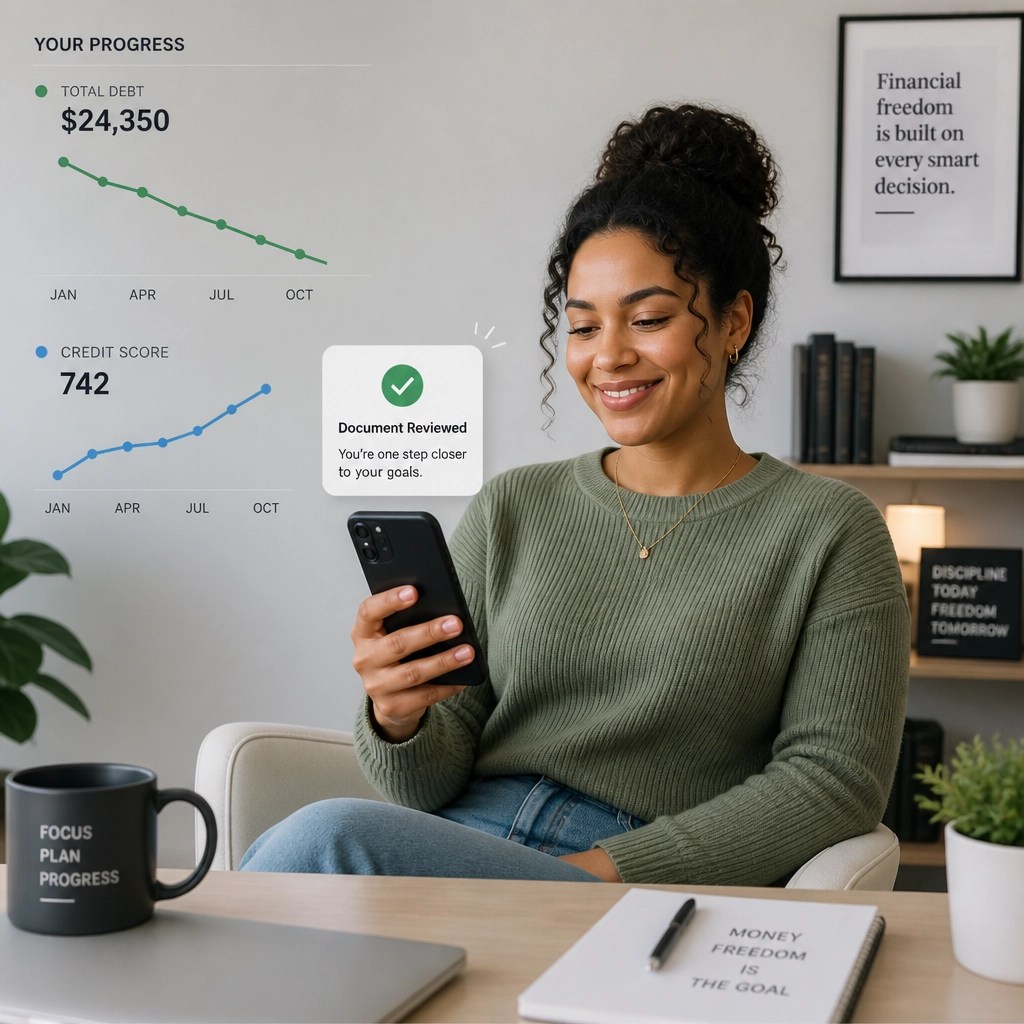
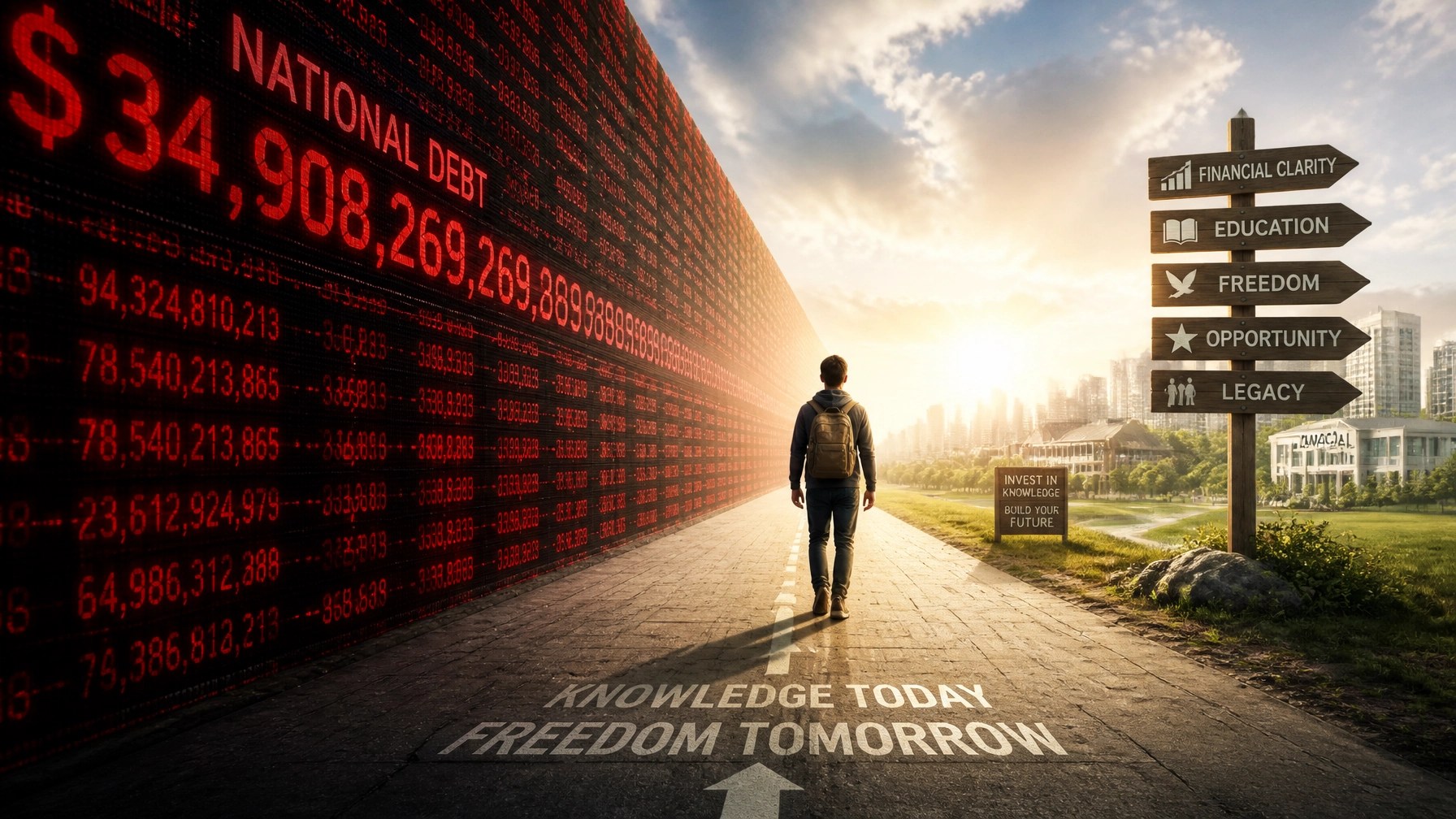
For a long time, we’ve been told that "knowledge is power." But when it comes to the average American's wallet, that power seems to be flickering.
The results of the 2026 TIAA Institute–GFLEC Personal Finance Index were recently released, and the findings are a wake-up call for households across the country. Financial literacy in the United States has officially fallen to its lowest level since the index began tracking it a decade ago. On average, U.S. adults could only answer 47% of basic financial questions correctly.
Think about that for a second: on a standard grading scale, that’s a failing grade.
Even more concerning is the "literacy gap" appearing in younger generations. Gen Z, the group currently entering the prime of their careers and home-buying years, scored an average of only 38%. This isn't just about not knowing how to balance a checkbook; it’s about a fundamental misunderstanding of how borrowing, interest, and risk actually work in the real world.
The cost of this knowledge gap isn't just a low test score: it's measured in hours of sleep lost, days of work spent worrying about bills, and years of delayed retirement. In fact, the report found that workers with very low financial literacy spend nearly 11 hours per week dealing with money issues while at work. That’s more than one full workday every week lost to financial stress.
At K-Stone Enterprises, we believe the path to financial clarity starts with education, not pressure. Understanding why these trends are happening is the first step toward making sure you aren't part of the "bottom 25%" who are struggling to make ends meet.
🌟 Join the Inner Circle
Ready to get ahead of the curve? Subscribe for weekly updates and gain insider access to financial clarity insights that the mainstream media often overlooks. We cut through the noise to bring you practical education that helps you move toward your goals.
1. The "Leaky Bucket" Syndrome: Not Tracking Expenses
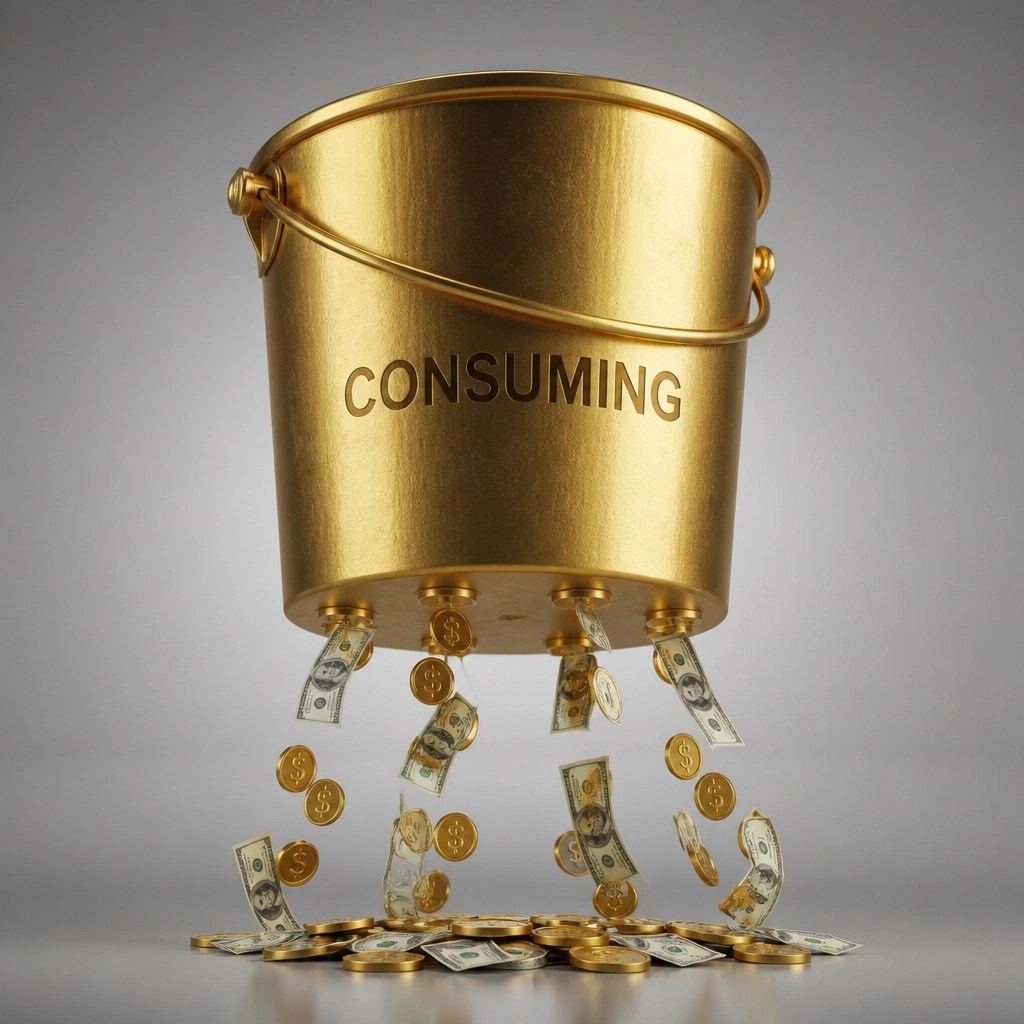
One of the biggest drops in the 2026 index was in the area of "consuming": which is a fancy way of saying "how we spend our daily money." Correct answers in this category dropped by 5 percentage points this year.
Most people don't have a "spending problem" as much as they have a "tracking problem." We live in a world of invisible transactions. Between auto-pay subscriptions, tap-to-pay convenience, and "Buy Now, Pay Later" apps, money leaves our accounts without us even feeling the physical weight of it.
The Mistake: Treating small, repeated expenses as if they don't matter.
The Educational Shift: When you don't track where every dollar goes, you lose the ability to tell your money where to go. This "leakage" often prevents people from funding their bigger dreams: like a down payment on a home or a college fund: not because they don't earn enough, but because their income is evaporating through a dozen small holes.
2. Ignoring the "Borrowing Tax": Interest Rates and Fees
The index showed that knowledge about borrowing declined significantly. Many adults today focus only on the monthly payment of a loan or credit card, rather than the total cost of the debt.
When you ignore interest rates, you are essentially paying a "voluntary tax" to your lenders. Whether it’s a car loan, a credit card balance, or a personal loan, the interest is the price you pay for using someone else's money. If you don't understand how that interest compounds, you can end up paying for that item twice (or more) over the life of the loan.
The Mistake: Shopping for a "monthly payment" instead of the "total cost of borrowing."
The Educational Shift: Understanding the APR (Annual Percentage Rate) and how it affects your balance over time is crucial. Lowering your cost of borrowing is often one of the fastest ways to improve your monthly cash flow without needing a raise.
3. The Minimum Payment Hamster Wheel
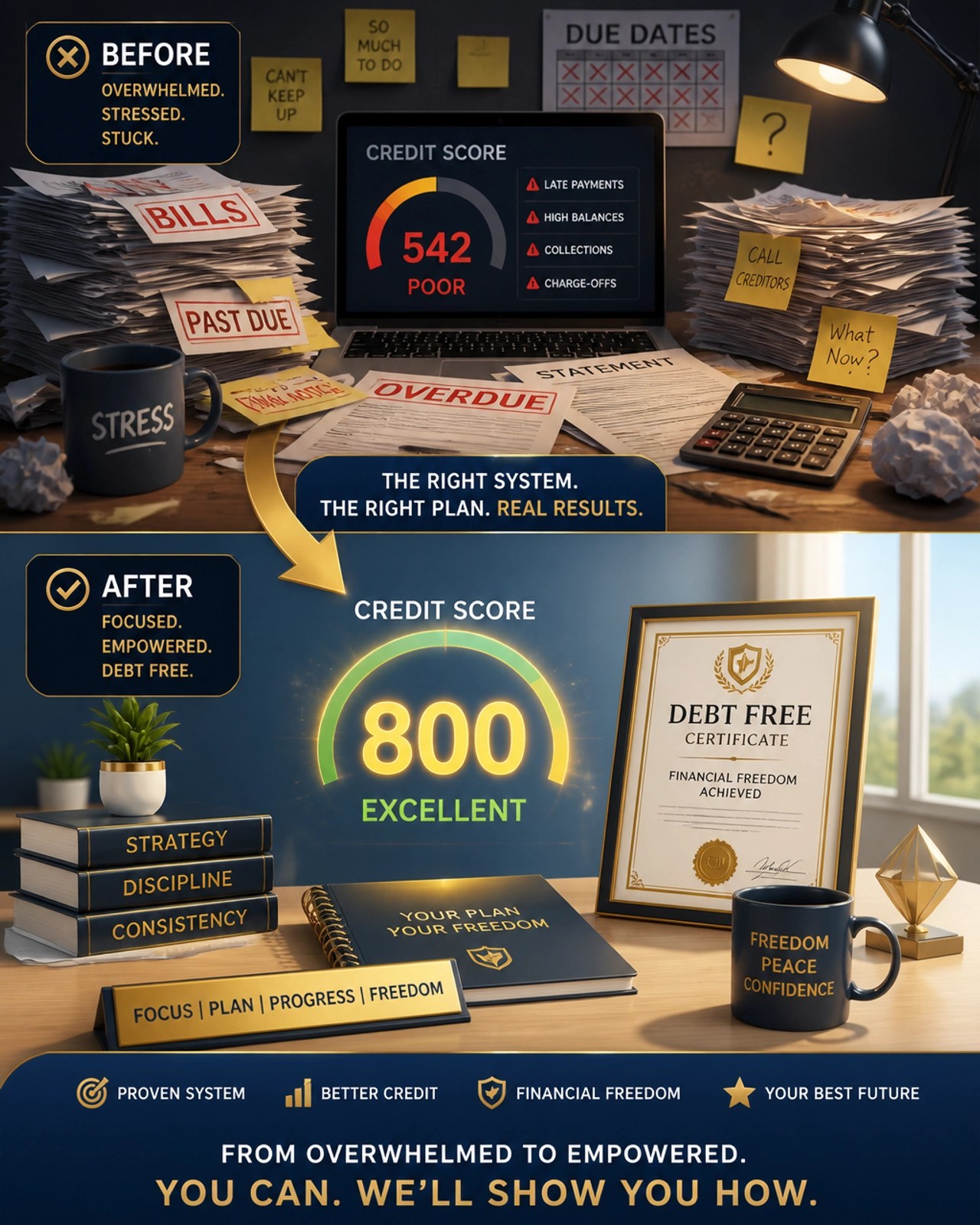
The 2026 report highlighted that adults with low financial literacy are three times more likely to be financially fragile. A major contributor to this fragility is the "minimum payment trap."
Credit card companies are required to show you on your statement how long it will take to pay off your balance if you only pay the minimum. For many, that number is 15, 20, or even 30 years. Paying only the minimum isn't "managing" your debt; it’s "treading water" while the tide is coming in.

The Mistake: Viewing the minimum payment as a "bill" that is being "paid off."
The Educational Shift: The minimum payment is designed to keep you in debt for as long as possible while maximizing the lender's profit. Education on how debt works allows you to see that every dollar paid above the minimum is a direct investment in your future freedom.
4. The Risk Gap: Living Without a Safety Net
Perhaps the most startling discovery in the 2026 TIAA-GFLEC Index is that comprehending risk is the weakest area for almost everyone. Only 36% of risk-related questions were answered correctly.
Many people view an emergency fund or insurance as "dead money": money that isn't working for them. In reality, these are your most important financial tools. Without an emergency fund, every "life happens" moment (a flat tire, a leaky roof, a medical bill) becomes a high-interest debt event.
The Mistake: Underestimating the probability of an emergency and overestimating the "cost" of keeping cash in a savings account.
The Educational Shift: Risk management is about protection. When you understand the statistical likelihood of needing a safety net, you stop seeing an emergency fund as a burden and start seeing it as a shield that protects your other assets.
5. The "Set It and Forget It" Credit Trap
Finally, the decline in financial literacy is closely linked to how people manage their credit scores and financial reputations. Many people only check their credit when they are about to apply for a major loan, like a mortgage.
However, your credit profile is a living, breathing document. Inaccuracies, outdated information, or simple misunderstandings about "credit utilization" can cost you thousands of dollars in higher interest rates over time.
The Mistake: Not reviewing your credit report until you actually "need" it.
The Educational Shift: Credit education is about more than just a number; it’s about understanding the "rules of the game." When you know how the score is calculated, you can make proactive decisions that position you as a low-risk borrower, which can lead to better terms and more opportunities.

Moving Toward Financial Clarity
The 10-year low in financial literacy doesn't have to be your story. The data shows that individuals who have received financial education score about 13 percentage points higher than those who haven't. Education is the great equalizer.
At K-Stone Enterprises, Lamont Milbourne acts as a liaison to the resources and information you need to stop guessing and start knowing. We aren't here to give you "get rich quick" schemes or make guarantees about your income. Our goal is to provide the educational foundation so you can make informed decisions for yourself and your family.
Financial stress shouldn't take up 11 hours of your work week. It shouldn't keep you awake at night. By identifying these common mistakes and seeking out resources to fix the "knowledge gaps," you can start moving toward a place of clarity and confidence.
🌟 Join the Inner Circle
Don't let the stats define your future. Join our Inner Circle to receive weekly insights, market data, and financial education designed to help you stay ahead in an ever-changing economy. [Sign up for updates here.]
Want to talk it through? Call Rachel at +1 (227) 295-2046 and she'll get you connected to the right person.
Review the information here when ready: https://makewealthreal.com/new-way/?member=KRNRSTN21
Sonny, here is a tweet draft for this post:
🚨 Financial literacy in the US just hit a 10-year low. 📉 The 2026 TIAA-GFLEC Index shows adults only got 47% of basic money questions right. Are you making the 5 common mistakes that lead to financial stress? Let’s fix the knowledge gap. 💡 Read more: [Link] #FinancialLiteracy #MoneyMistakes #KStoneEnterprises
Legal Disclaimer: K-Stone Enterprises and Lamont Milbourne provide financial education and resources. We do not guarantee credit repair, debt elimination, tax savings, funding approval, income, or specific financial outcomes. We are not licensed to provide legal, tax, lending, or investment advice. Our goal is to educate and invite you to review resources that may help you make better-informed decisions.
🧵 Check out Twisted Emotions (Threaded Creations KLM) on Etsy : unique, handcrafted apparel that lets you wear your story. Browse the shop here: https://threadedcreationsklm.etsy.com