
Selling a home in Maryland has always been a journey, but as we navigate the mid-way point of 2026, the landscape has shifted into something unique. Whether you are looking to downsize in Millersville, move up in Gambrills, or relocate out of the state entirely, the rules of engagement for homeowners have evolved.
The market today isn't the frantic "bidding war" chaos of a few years ago, nor is it a stagnant environment. It is a market of precision. In 2026, buyers are more educated, financing is more calculated, and the "vibe" of a home matters just as much as the square footage. If you’re thinking about putting a "For Sale" sign in your yard this year, you need to be strategic.
Here are 10 critical things every Maryland homeowner should know before selling in 2026.
1. The Inventory Squeeze is Still Real
Even in 2026, Maryland is facing a persistent inventory challenge. While more homes are trickling onto the market compared to the "lock-in" years of the early 2020s, demand in the Mid-Atlantic region continues to outpace supply. For a seller, this is generally good news. It means that well-maintained, correctly priced homes are still seeing healthy interest.
However, "low inventory" doesn't mean "automatic sale." In 2026, buyers aren't just looking for any house; they are looking for the right house. They are willing to wait for a property that checks their boxes rather than settling for a fixer-upper at a premium price.
2. Mortgage Rates Have Found a "New Normal"
As of June 2026, typical mortgage rates in Maryland are hovering in the mid-6% to low-7% range. While this is a far cry from the historic lows of 2021, the shock has worn off for most buyers. This is the "new normal."
What does this mean for you as a seller? It means your buyer pool is payment-sensitive. They aren't just looking at the purchase price; they are calculating their monthly outflow with 7% interest in mind. Understanding this helps you empathize with the buyer's perspective and highlights the importance of making your home a "turn-key" opportunity. If a buyer has to pay a higher rate, they often don’t want the added burden of immediate, expensive repairs.
3. Pricing Strategy: Market Value vs. List Price
In 2026, overpricing is the fastest way to kill a listing. Current data shows that homes priced correctly from day one sell significantly faster and closer to the asking price than those that start too high and require a "price correction" later.
A price drop often signals to buyers that something might be "wrong" with the home, even if it’s just that the initial price was ambitious. Working with a professional who understands the specific micro-trends in your Maryland zip code: rather than relying on broad national averages: is essential. You can see examples of how homes are currently positioned in the local market by checking out active Maryland listings.
4. High-Impact Prep Still Wins
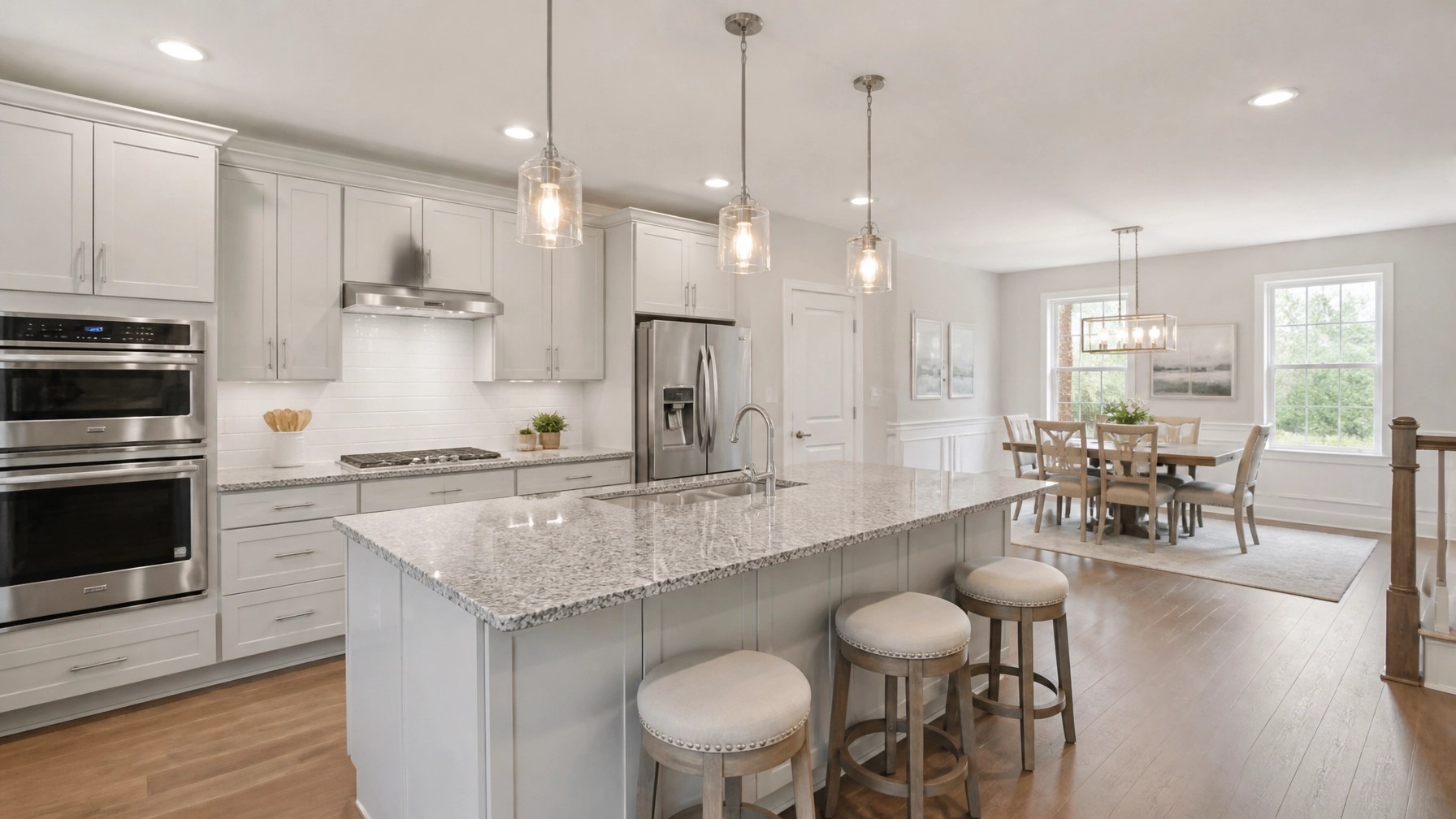
You don’t need a full-scale renovation to get top dollar, but you do need to be intentional. In 2026, the "Big Three" remain the most important areas for ROI:
- Kitchen Refresh: Think neutral cabinet colors, updated hardware, and ensuring appliances are spotless.
- Lighting: In the age of high-def photography, lighting is everything. Replace old yellow bulbs with bright, soft white LEDs and update dated fixtures.
- Paint and Flooring: Fresh, neutral paint and clean (or new) flooring are the most cost-effective ways to make a home feel "new."
Buyers in 2026 are looking for a lifestyle, not just a structure. Staging: whether physical or virtual: helps them visualize themselves in the space.
5. Timing the "Spring Surge"
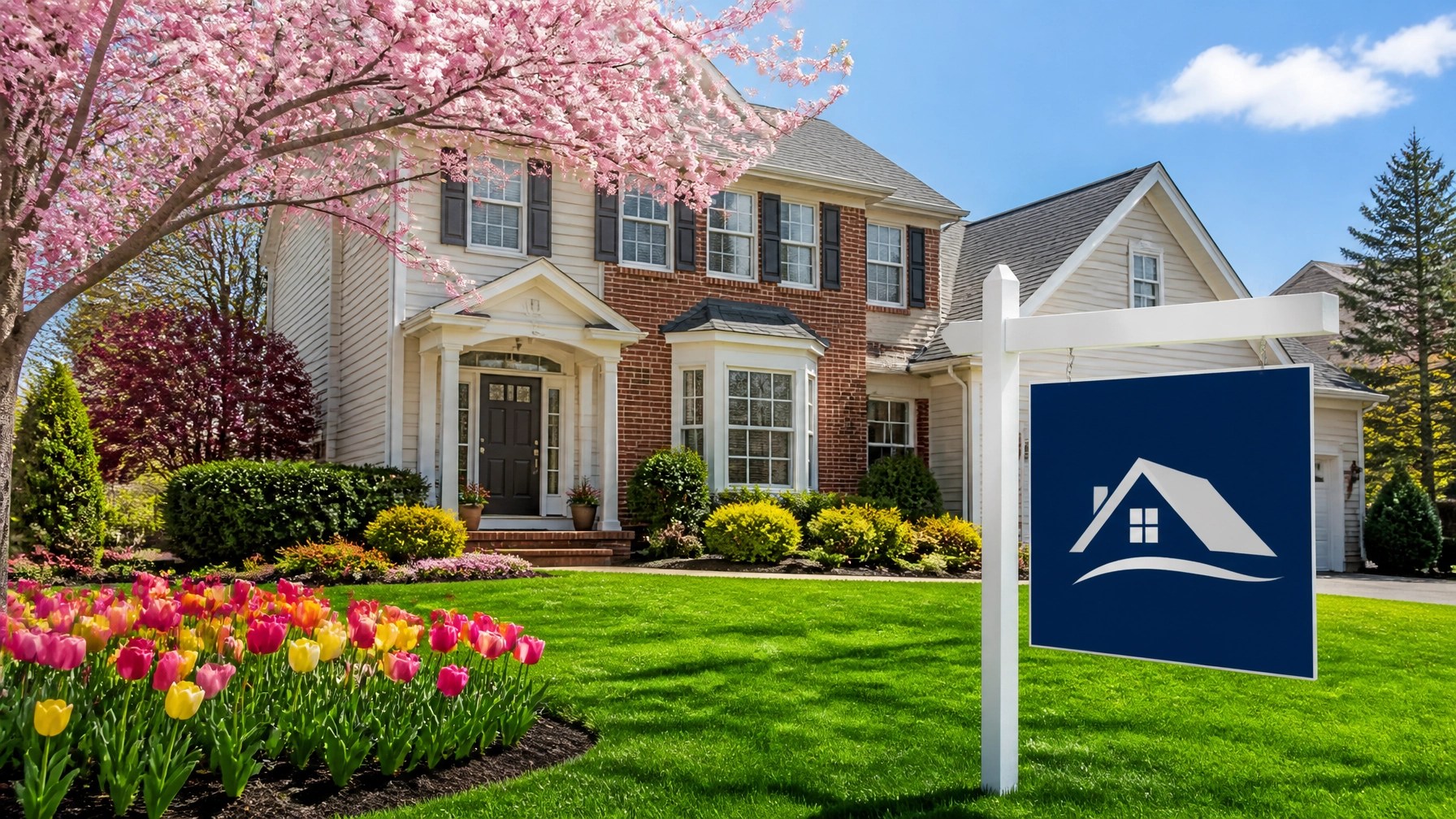
Data from early 2026 confirms that the traditional spring market is still the peak time for activity in Maryland. Historically, listing your home between mid-April and June can yield the highest sale prices, often $20,000 or more above the annual average.
The weather is better, the Maryland greenery is blooming, and families are looking to move before the new school year starts. If you have the flexibility to wait for the spring bloom, it often pays off in increased foot traffic and stronger offers.
6. Navigating Maryland-Specific Disclosures
Maryland has specific requirements when it comes to property disclosures. Sellers are generally required to provide a "Disclaimer or Disclosure" statement. This covers everything from the condition of the roof to any known environmental issues like radon or lead-based paint (especially in older Maryland homes).
In 2026, transparency is your friend. Buyers are hiring more thorough inspectors than ever before. Being upfront about the age of your HVAC or the condition of your basement helps prevent deals from falling apart during the inspection contingency period.
7. The Necessity of Professional Marketing
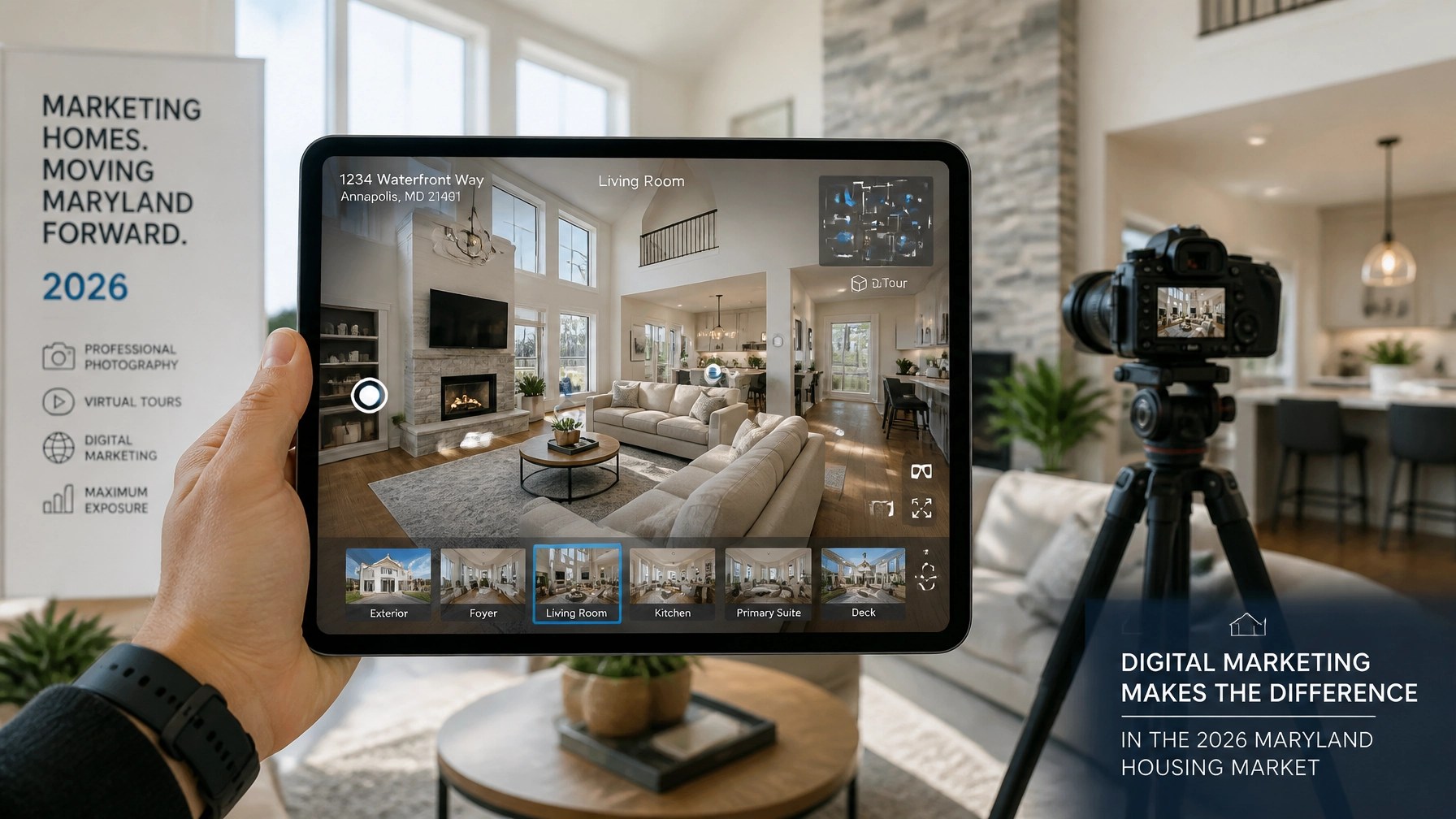
In 2026, your "First Open House" happens on a smartphone screen. If your online photos aren't professional, many buyers won't even put your address into their GPS.
Effective marketing in 2026 includes:
- High-Resolution Photography: Drone shots for larger lots are standard.
- 3D Virtual Tours: Buyers want to walk through the layout digitally before committing to an in-person showing.
- Social Media Reach: Your home needs to be where the buyers are: Instagram, TikTok, and localized Facebook groups.
8. Evaluating the Whole Offer (Not Just the Price)
A high offer price is great, but in a 7% interest rate environment, the terms of the offer are just as important. In 2026, we are seeing more buyers use various financing programs to manage their rates.
When you receive an offer, look at:
- Type of Financing: Is it a conventional loan, VA, or FHA?
- Contingencies: How long is the inspection period? Is the sale contingent on the buyer selling their own home?
- Earnest Money: How much skin do they have in the game?
- Closing Timeline: Does their move-out date align with your move-in date?
A slightly lower price with "cleaner" terms (fewer contingencies and a solid lender) is often better than a high price that has a high risk of falling through.
9. Neighborhood Micro-Trends Matter
Real estate is hyper-local. What’s happening in Baltimore City is vastly different from what’s happening in Millersville or Gambrills.
Before you list, look at the "comps" (comparable sales) within a 1-to-2-mile radius of your home from the last 90 days. Are homes in your specific neighborhood sitting for 30 days, or are they gone in a weekend? Understanding these micro-trends allows you to set realistic expectations for your own sale.
10. The Modern Experience: Speed and Tech
The 2026 real estate transaction is faster and more digital than ever. From electronic signatures to AI-driven market analysis, the process is streamlined. However, this speed requires sellers to be more prepared.
Have your paperwork ready, have a plan for where you’re going next, and be ready to respond to offers quickly. In a competitive market, momentum is a seller's best friend.
Selling your home is a major financial and emotional milestone. By focusing on preparation, pricing, and professional representation, you can navigate the 2026 Maryland market with confidence. If you're looking for more information on the local market or want to see how current listings are being handled, you can learn more about Lamont Milbourne's approach here.
Reply INFO and I'll send the next step.
Leave a Reply