The Ultimate Guide to Multiple Income Streams: Why Smart Investors Are Choosing Land Banking and Private Reserves
Let’s be real: relying on one income source in 2025 is like putting all your eggs in one basket and then juggling that basket on a tightrope. Smart investors know better. They’re building wealth through multiple income streams, and two strategies are getting serious attention: land banking and private reserves.
If you’re tired of watching your money sit in low-yield savings accounts while inflation eats away at your purchasing power, it’s time to explore what the wealthy have been doing for decades. Multiple income streams aren’t just about financial security: they’re about creating true wealth that works for you, even when you’re sleeping.
Why Multiple Income Streams Matter More Than Ever
The traditional path of “work hard, save money, retire at 65” is broken. Today’s smart investors understand that diversifying income sources is just as crucial as diversifying investment portfolios. It’s your hedge against job loss, economic downturns, and unexpected financial challenges.
Think about it: if you lose your job tomorrow, how long could you maintain your lifestyle? If your answer makes you uncomfortable, you’re not alone. That’s exactly why building multiple income streams has become non-negotiable for anyone serious about financial freedom.
The best part? You don’t need to be a millionaire to start. Whether you’re an employee looking to supplement your income or an entrepreneur ready to scale, there are strategies that fit every budget and risk tolerance.
Land Banking: The Millionaire’s Secret Weapon
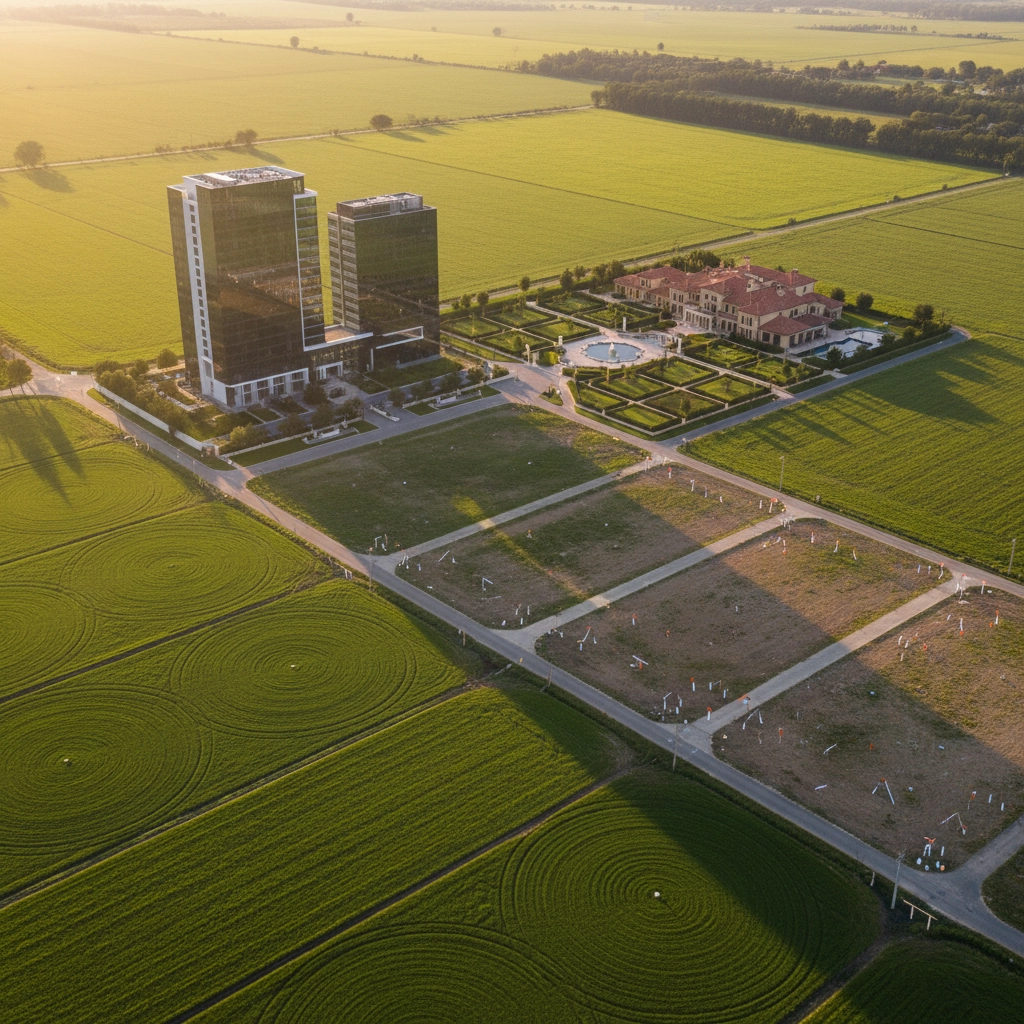
Land banking is one of those investment strategies that sounds complicated but is actually pretty straightforward. You’re essentially buying undeveloped land in areas expected to grow, then holding it until development increases its value dramatically.
Here’s why smart investors love it: land doesn’t depreciate like buildings do. You’re not dealing with tenants, maintenance costs, or property management headaches. You buy it, hold it, and wait for the right buyer or development opportunity.
The key is location intelligence. Successful land banking involves identifying areas where population growth, infrastructure development, or economic expansion will drive demand. Think about areas where new highways are planned, where tech companies are expanding, or where residential development is pushing outward.
The Land Banking Advantage:
- Low maintenance costs compared to developed properties
- Potential for significant appreciation over time
- Tax benefits through agricultural or conservation use
- Protection against inflation
- Portfolio diversification beyond traditional assets
But here’s the reality check: land banking requires patience and capital. You’re not getting monthly rent checks, and it might take years before you see significant returns. It’s a long-term wealth-building strategy, not a get-rich-quick scheme.

Private Reserves: Your Personal Wealth Ecosystem
Private reserves take land investment to another level. Instead of just holding raw land, you’re creating ecosystems that generate multiple income streams while building long-term wealth.
Think of private reserves as your personal wealth-generating environment. You might combine timber harvesting, recreational leasing, carbon credits, mineral rights, and agricultural opportunities all on the same property. It’s like having a Swiss Army knife for wealth building.
Here’s where it gets interesting: private reserves can generate income through:
- Timber sales and sustainable forestry
- Hunting and recreational leases
- Carbon credit programs
- Agricultural partnerships
- Mineral and oil rights
- Solar or wind energy leasing
- Event hosting and retreats
The beauty is diversification within a single asset. Even if one income stream slows down, others continue producing. Plus, you’re building something tangible that can be passed down to future generations.
Beyond Land: Proven Income Stream Strategies
While land banking and private reserves offer incredible long-term potential, smart investors don’t put all their focus in one area. Here are other income streams that successful investors are using right now:
Real Estate Investment Properties
Rental properties remain one of the most reliable methods for generating monthly cash flow while building wealth through appreciation. The key is understanding that it’s not entirely passive: you’ll need systems for maintenance, tenant management, and property oversight.
The real estate market in 2025 continues offering multiple pathways: buy-and-hold rentals, short-term vacation rentals, commercial properties, and even real estate investment trusts (REITs) for those wanting exposure without direct property management.

Farmland Investment Opportunities
From 1990 to 2020, farmland investments showed remarkable stability with consistent growth, especially accelerating since 2008. Unlike volatile stocks, farmland offers annual dividends from collected rents plus potential profits from future sales.
Farmland investing provides portfolio diversification and consistent value increases, though it typically requires accredited investor status and substantial upfront investment with funds locked up for five or more years.
Loan Investments
Investing in loans through various platforms provides steady income streams with more predictable returns than traditional markets. You can choose loans with different durations and risk levels, customizing your approach based on your financial goals.
Loan investments offer regular income while maintaining lower correlation to traditional equity markets, making them excellent for diversified income strategies.
Digital Income Streams
Don’t overlook digital opportunities. Subscription-based services, online courses, digital products, and e-commerce businesses can generate significant recurring income with lower startup costs than physical investments.
The subscription model ensures predictable, regular cash flow, and for beginners, focusing on niche markets can create highly scalable businesses with ongoing payment structures.

Getting Started: Your Action Plan
Ready to build your multiple income stream empire? Here’s your step-by-step approach:
Step 1: Assess Your Current Situation Calculate your monthly expenses and determine how much capital you can allocate to income-producing investments. Be honest about your risk tolerance and time commitment.
Step 2: Choose Your First Stream Don’t try to do everything at once. Pick one strategy that matches your budget and expertise level. If you’re new to investing, consider starting with index funds or REITs before moving to more complex strategies like land banking.
Step 3: Education and Research Before investing in land banking or private reserves, understand your local markets. Research growth patterns, zoning laws, and development plans in target areas.
Step 4: Build Your Team Successful investors don’t work alone. Connect with real estate agents specializing in land, attorneys familiar with property law, and financial advisors who understand alternative investments.
Step 5: Start Small and Scale Begin with smaller investments to learn the process, then scale up as you gain experience and confidence.

The Long-Term Wealth Vision
Building multiple income streams isn’t about getting rich overnight: it’s about creating sustainable wealth that provides financial freedom and security. Land banking and private reserves offer unique advantages for long-term wealth building, especially for investors who understand the power of patience and strategic thinking.
The wealthy didn’t get there by accident. They understood that true financial freedom comes from having money work for them through multiple channels. Your job income pays the bills, but your investment income creates wealth.
Whether you start with a small rental property, invest in farmland, or begin exploring land banking opportunities, the key is starting. Every wealthy person began somewhere, and that somewhere is usually with their first investment property or income-producing asset.
The question isn’t whether you can afford to start building multiple income streams: it’s whether you can afford not to. With inflation continuing to erode purchasing power and traditional retirement plans becoming less reliable, multiple income streams have shifted from luxury to necessity.
Your future self will thank you for the actions you take today. The best time to plant a tree was 20 years ago. The second-best time is right now.
Ready to take the next step? Learn more about our wealth-building strategies and discover how you can start building your multiple income stream portfolio today.
 Legacy by Design | Trusted Wealth Strategies for Real People
Leave a comment