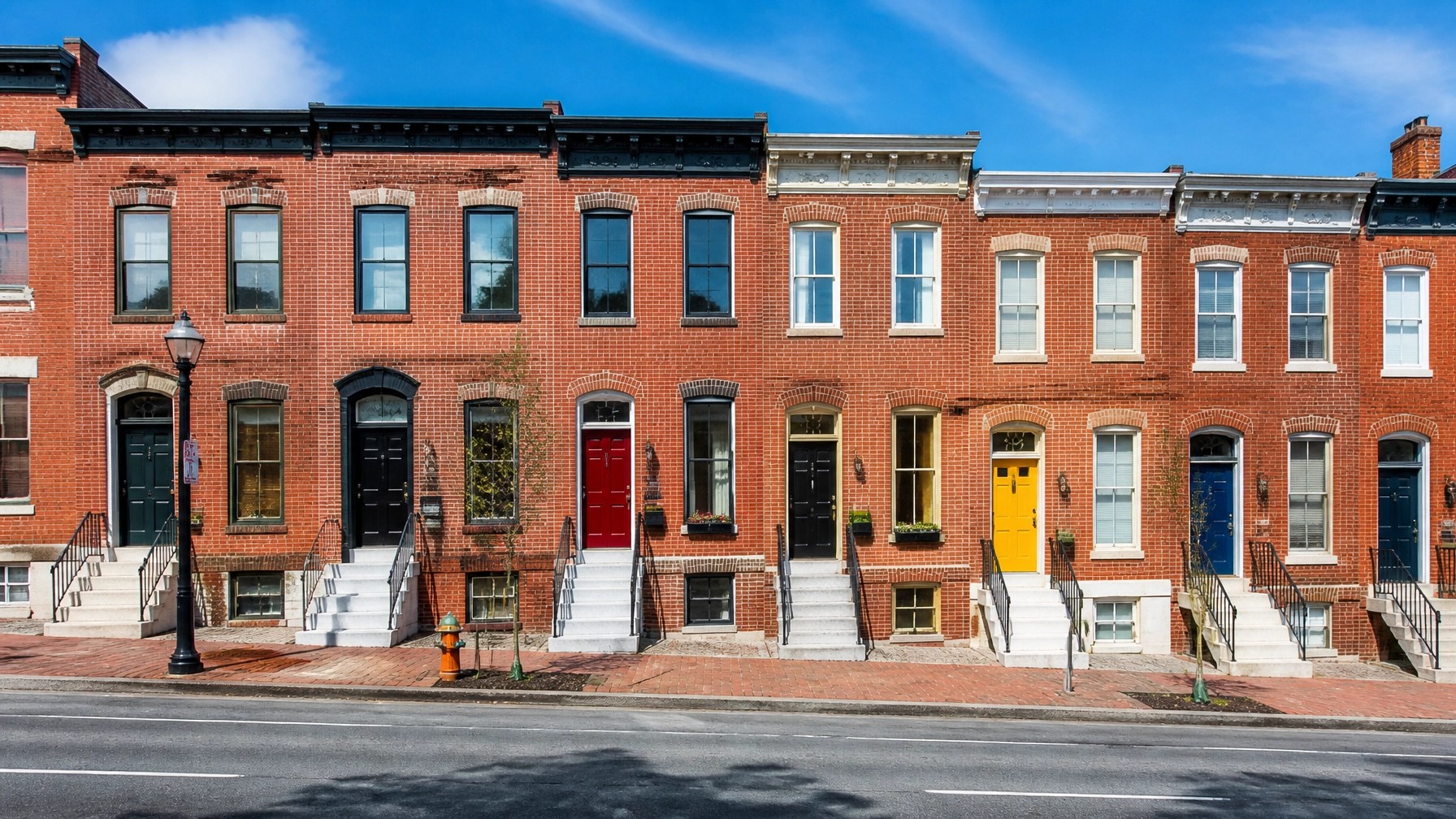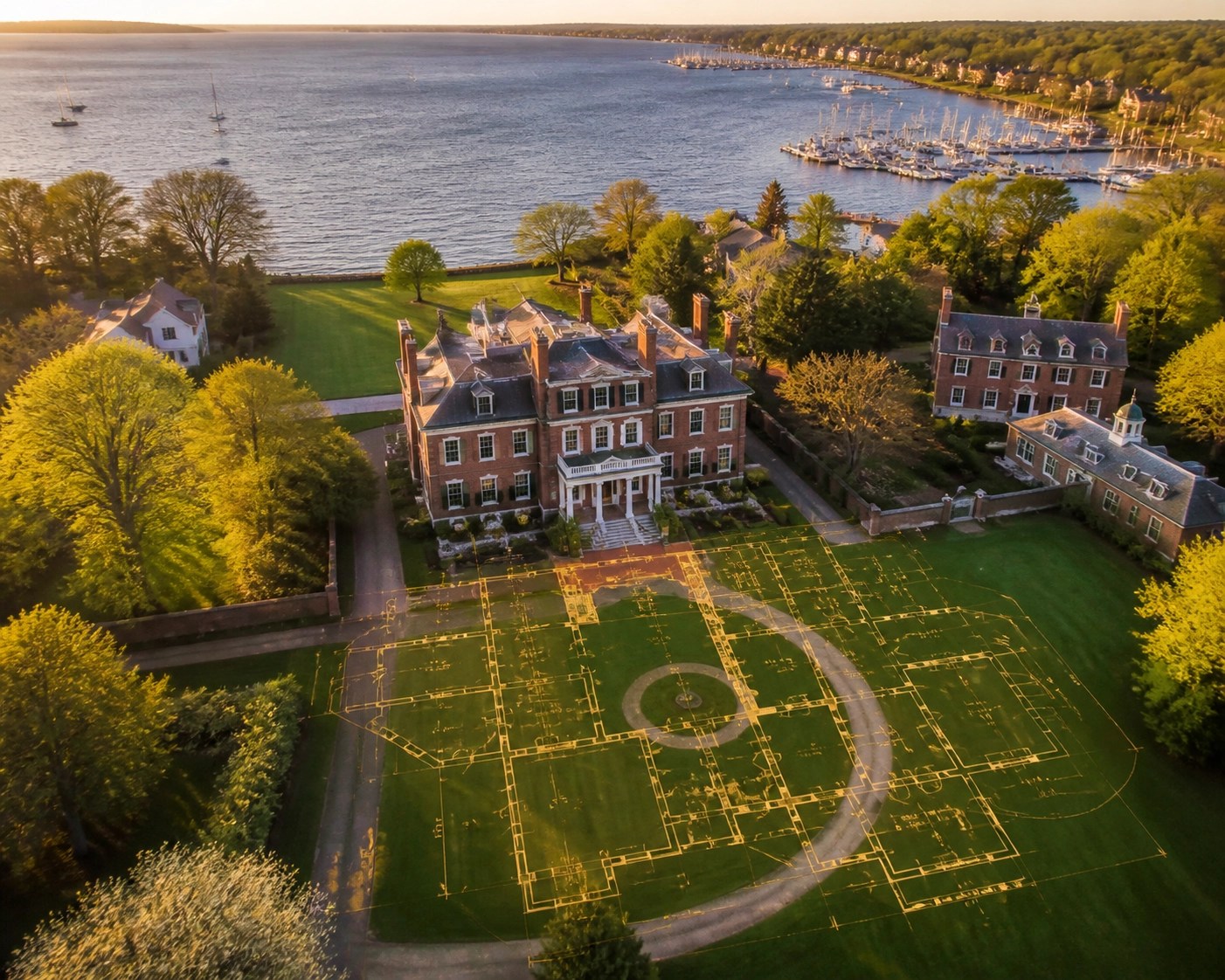
If you’ve been keeping an eye on the Maryland real estate market lately, you know that the "buy and hold" or "fix and flip" game is changing. The days of simply looking for the ugliest house in the best neighborhood are being replaced by something much more strategic: Zoning Play.
In 2026, the most successful investors aren't just looking at the property as it stands today; they are looking at what the law allows it to become tomorrow. Between the massive statewide push for Accessory Dwelling Units (ADUs) and the aggressive upzoning of transit corridors in Montgomery and Howard Counties, Maryland is currently a goldmine for those who know how to read between the legal lines.
In this guide, we’re breaking down the technical shifts in MD zoning and showing you exactly how to spot your next big density play.
1. The Statewide ADU Gold Rush (HB 1466)
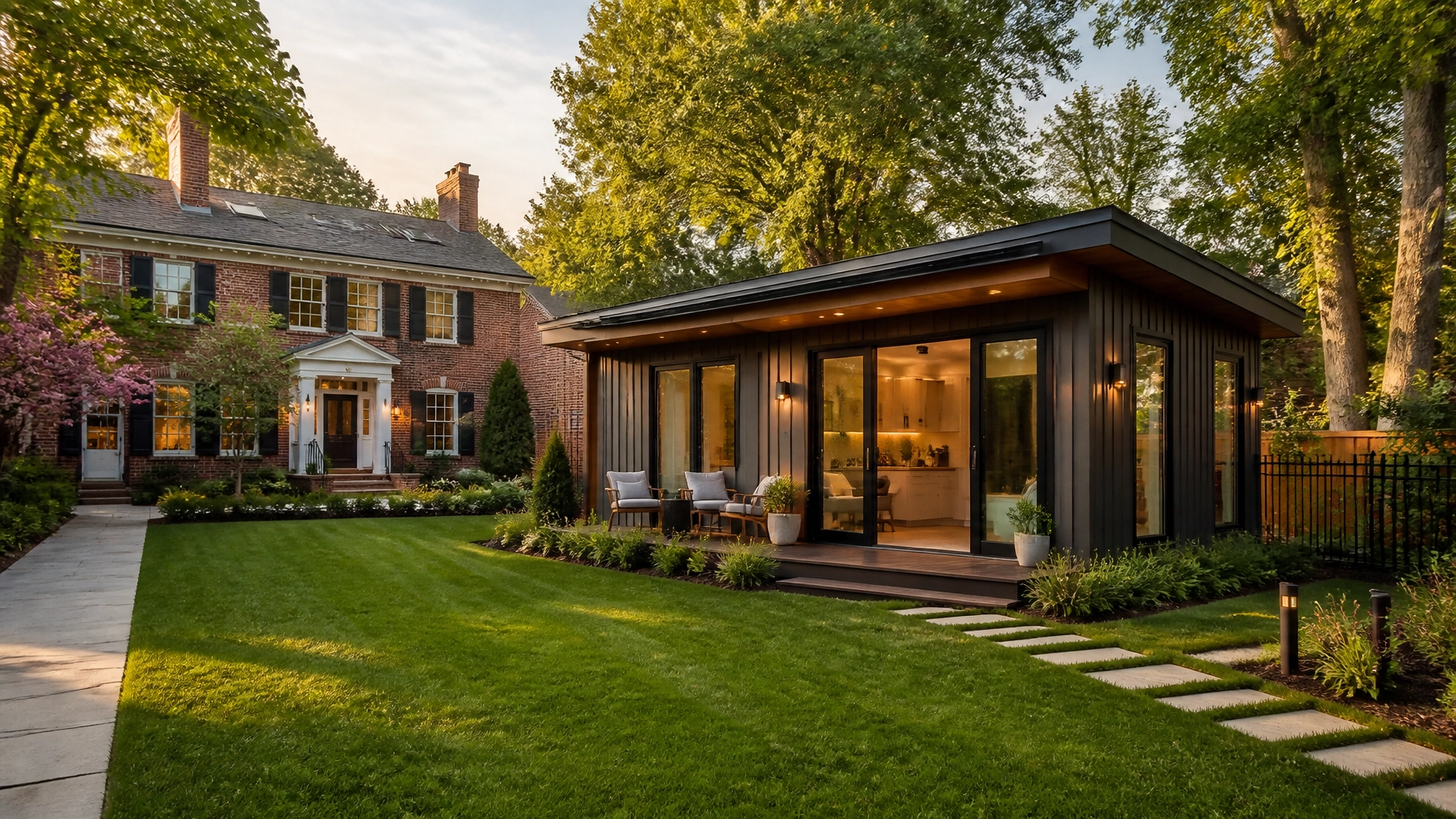
The single biggest shift in Maryland real estate over the last two years has been the legalization of Accessory Dwelling Units (ADUs) across the entire state.
Under HB 1466, which fully takes effect by October 1, 2026, every county and municipality in Maryland is required to allow ADUs "by right" on single-family detached lots. This means local governments can no longer bury your application in "conditional use" hearings or "floating zone" requirements.
Why This Matters for Your Portfolio:
- Forced Appreciation: Adding an ADU (often up to 1,200 sq. ft. or 75% of the primary home’s size) can instantly turn a single-family asset into a multi-unit income stream.
- The "By Right" Advantage: Because these are now "by right," the timeline for approval is slashed. You don't need a politician's blessing; you just need to meet the building code.
- Yield Play: In high-rent areas like Bethesda, Annapolis, or Columbia, the ROI on a $150k ADU build can far outperform buying a second property with today’s interest rates.
The Pro Strategy: Look for properties with large, flat backyards and existing side-access. If the primary house is a 3-bedroom, adding a 1 or 2-bedroom ADU creates a "duplex-light" scenario that traditional lenders are increasingly comfortable with.
2. Montgomery County: The Corridor Transformation
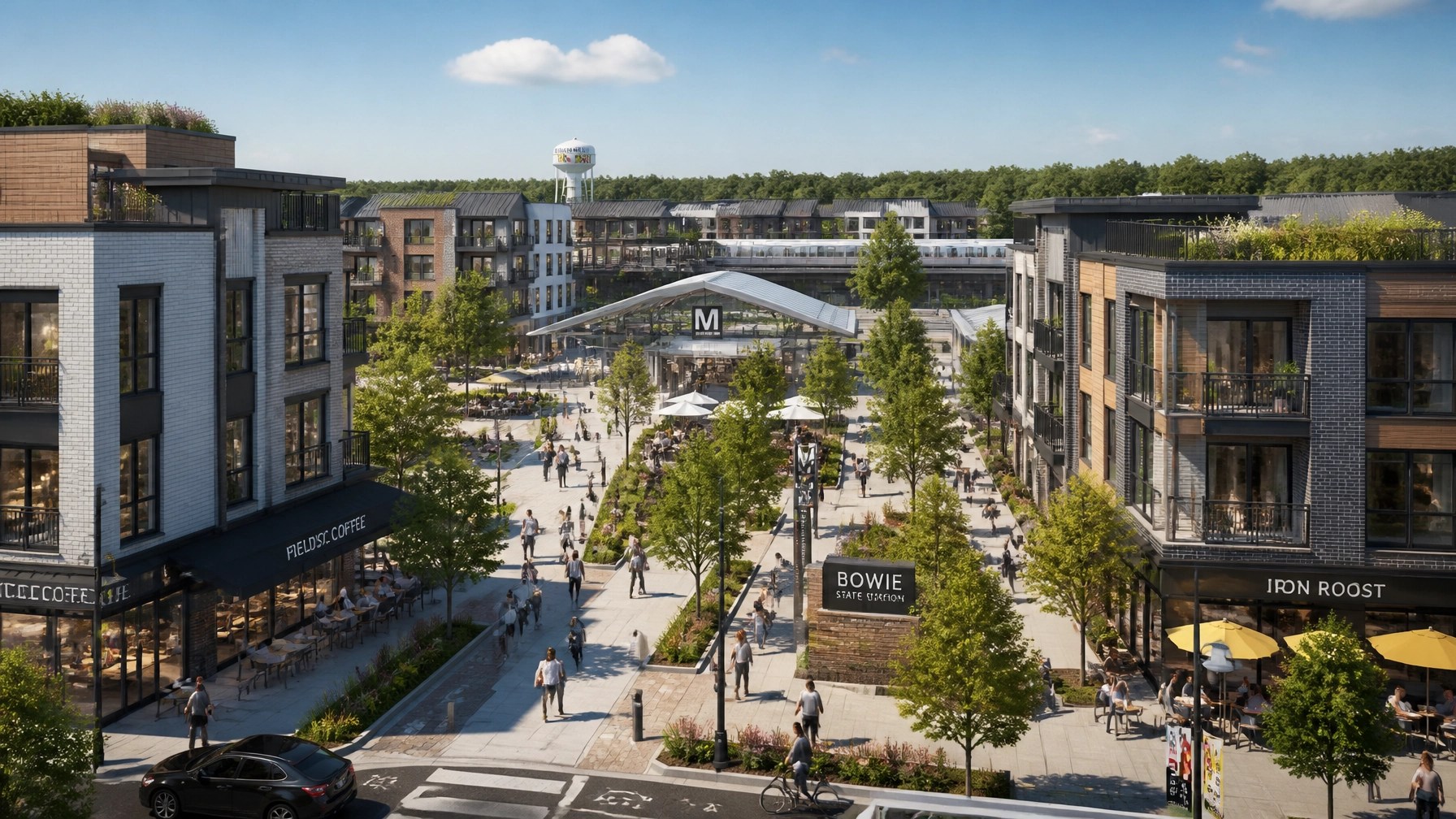
Montgomery County is currently leading the pack in "Transit-Oriented Development" (TOD). If you own land or are looking to buy near major arteries, you need to know about ZTA 25-02 and the University Boulevard Corridor Plan (UBCP).
Corridor Upzoning (ZTA 25-02)
Approved in late 2025, this zoning text amendment allows for "workforce housing": including duplexes, triplexes, and small apartment buildings: along major corridors like Wisconsin Avenue and Connecticut Avenue.
If you find an older single-family home sitting on these corridors, its value is no longer tied to the house; it’s tied to the density. By providing at least 15% workforce housing, you can unlock heights and unit counts that were previously reserved for massive commercial developers.
University Boulevard Corridor Plan (UBCP)
The UBCP is even more aggressive. We’re talking about over 200 single-family homes being rezoned to Commercial Residential Neighborhood (CRN). This allows for redevelopment into quadplexes up to 50 feet high.
If you are an investor looking for a 5-to-10-year exit strategy, buying into the University Blvd corridor now is like buying land in Arlington, VA, twenty years ago. The density is coming, and the "Missing Middle" housing is where the profit sits.
3. Howard County: Route 1 and Cottage Clusters
Howard County is taking a slightly different approach, focusing on Adaptive Reuse and Cottage Clusters.
Route 1 Adaptive Reuse (ZRA-221)
Do you see those aging motels or small commercial buildings along Route 1? Thanks to ZRA-221, Howard County has paved a clear path to turn those sites into multifamily or mixed-use developments.
For the mid-sized investor, ZRA-222 is even more interesting. It allows for "Optional Design Projects" on small commercial properties (under 10 acres) fronting Route 1. This flexibility means you can get creative with site layouts that wouldn't have passed a standard zoning check two years ago.
Cottage Clusters (ZRA-224)
Howard County is also piloting Cottage Cluster Age-Restricted Adult Housing. This is a massive opportunity for investors targeting the "Silver Tsunami." By building a cluster of smaller, high-end, single-level homes on a single large parcel, you can achieve higher density than traditional single-family zoning while maintaining the neighborhood's aesthetic.
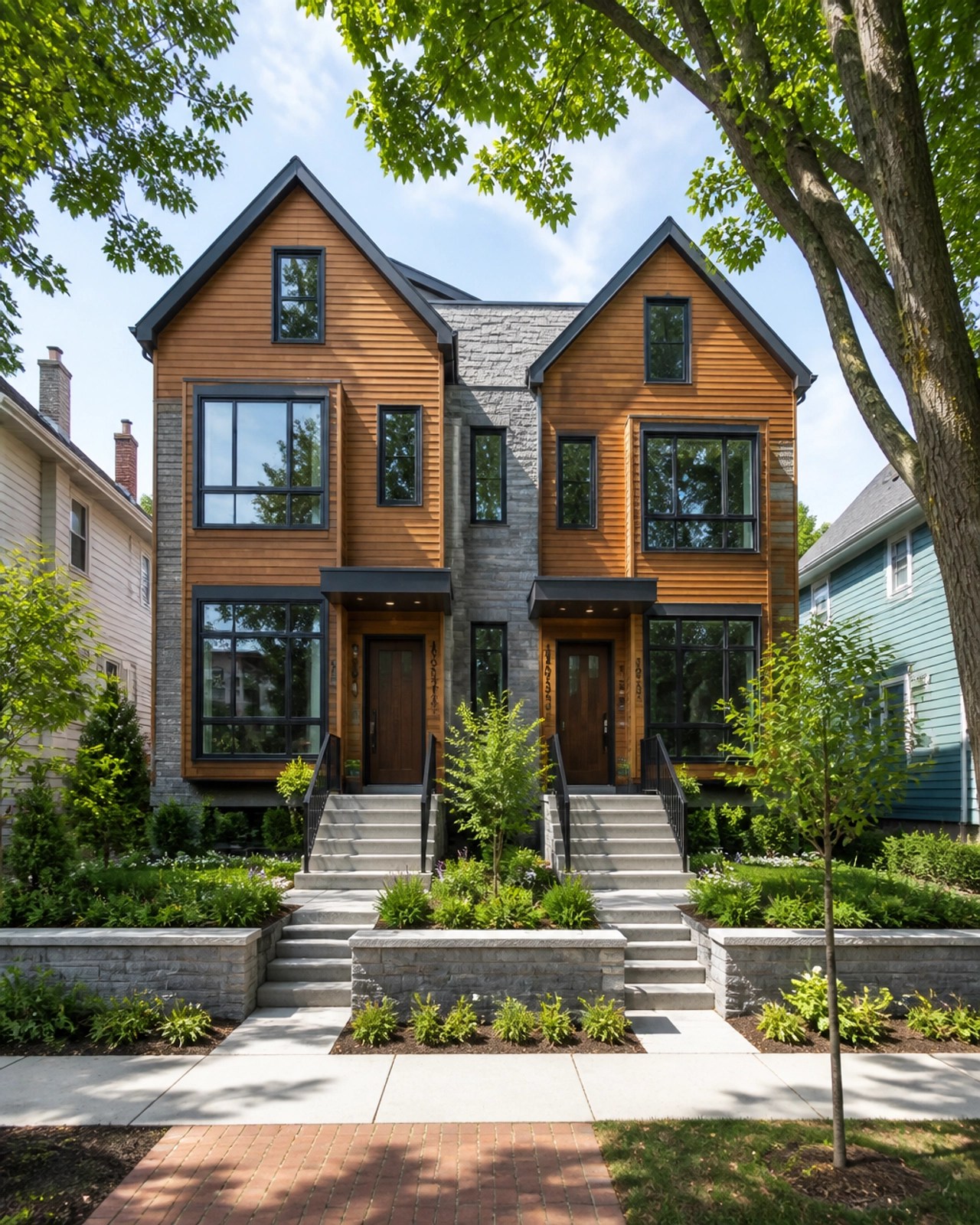
4. How to Spot the Opportunity Before the Market Catches Up
You don't need a law degree to find these deals, but you do need to be more than a "Zillow Surfer." Here is the 2026 Investor’s Playbook:
- Map the Corridor Plans: Don't just look at current zoning. Look at the Proposed Land Use maps in county Master Plans. These are public records that tell you where the county wants density to go.
- Audit the "Single-Family" Lots: Use a tool like LandGlide or your local GIS map to find single-family lots within 0.5 miles of a Metro or MARC station. These are your prime ADU and TOD candidates.
- Check the Utilities: Density is useless without sewer capacity. Before you pull the trigger on a "quadplex conversion" play, verify that the local water/sewer infrastructure can handle the load.
- Follow the Bills: Stay tuned to the Maryland General Assembly sessions. Bills like the "Starter and Silver Homes Act" may have stalled in 2026, but they signal exactly where the legislative winds are blowing.
5. Get Your Project "Investor Ready"
The biggest hurdle to capitalizing on these zoning changes isn't finding the deal: it's getting it funded. Traditional banks often struggle to understand the value of a "TOD density play" or an "ADU-backed rental."
This is where my team at Millis Property and Real Brokerage comes in. We don't just help you find the property; we build the case for the capital.
Our Investor Ready Package is designed to take the guesswork out of the loan submission process. Whether you're looking to build an ADU in Howard County or a townhouse infill in Montgomery, we provide:
- Detailed Deal Analysis: We look at the "highest and best use" based on current and upcoming zoning.
- ARV Comps: We use 2026 market data to show what your property will be worth after the density is unlocked.
- Rehab & Construction Budgets: Real numbers from local Maryland contractors.
- Loan Submission Packages: Professional, bank-ready dossiers that we submit through our Real Brokerage lending partners to ensure you get the best terms possible.

The Bottom Line
Zoning is the new frontier of Maryland real estate. If you are still looking at properties through a 2020 lens, you are leaving money on the table. The state is begging for density, and the laws are finally catching up.
Ready to find your next density play or get your current project funded? Let’s get to work.
Start Your Next Real Estate Move Today
- Analyze your next deal: Visit Millis Property
- Work with Lamont Milbourne at Real Brokerage: View My Listings & Services
Tweet Draft for Sonny:
"Zoning isn't boring: it's where the money is in 2026! 🏗️ From statewide ADU legalization to Montgomery County corridor upzoning, Maryland is a goldmine for density-focused investors. Learn how to spot the next big opportunity: [Link] #MDRealEstate #RealEstateInvesting #ZoningChanges"